The Philippines The Visayas · The Central Islands

Islands Through Time

The VisayasThe seafaring heart of the islands

A scatter of islands at the country’s centre — Cebu, Bohol, Negros, Panay, Leyte, Samar and more — whose people have always lived by the sea. This is how they lived and dressed across two centuries of change.

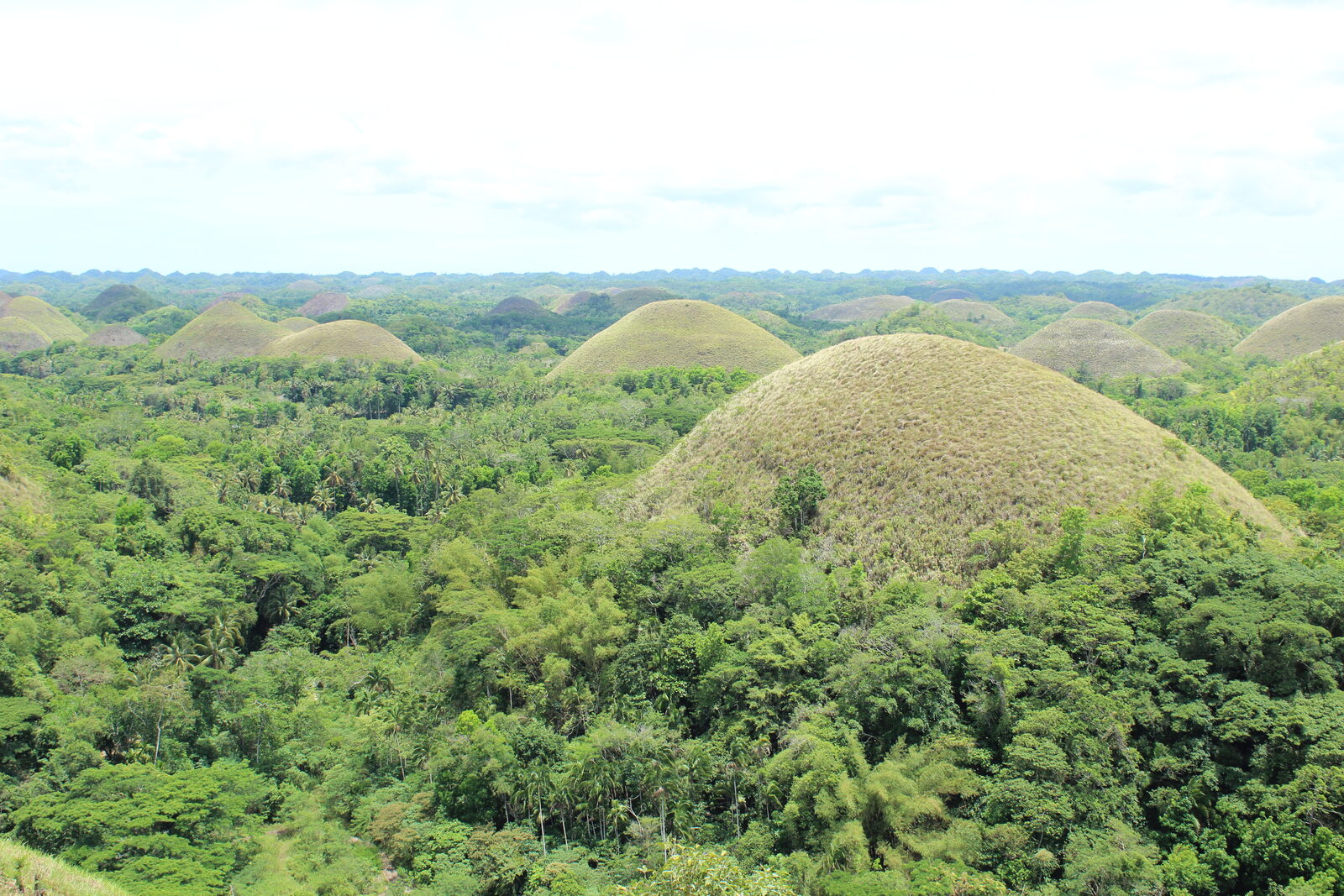
The Chocolate Hills of Bohol in the Visayas
The Chocolate Hills of Bohol — more than a thousand grass-covered mounds at the heart of the Visayas.

The Visayas are where the Philippine story first met the wider world — Cebu became the country’s oldest city, and these waters later turned the tide of a world war. Between sea and faith, sugar and song, the central islands have always been a crossroads. Travel with us from the Spanish 1800s to the festival-bright present day.

A Journey Through Time

1800s → Today

A 5-Minute Journey, Coming Soon

A short film tracing the Visayas from the Spanish 1800s through the war years to the present day — the faces, the fashion, and the moments that shaped the central islands. Drop back in soon to watch.

Film in production

The Look & The Times

Through the Years

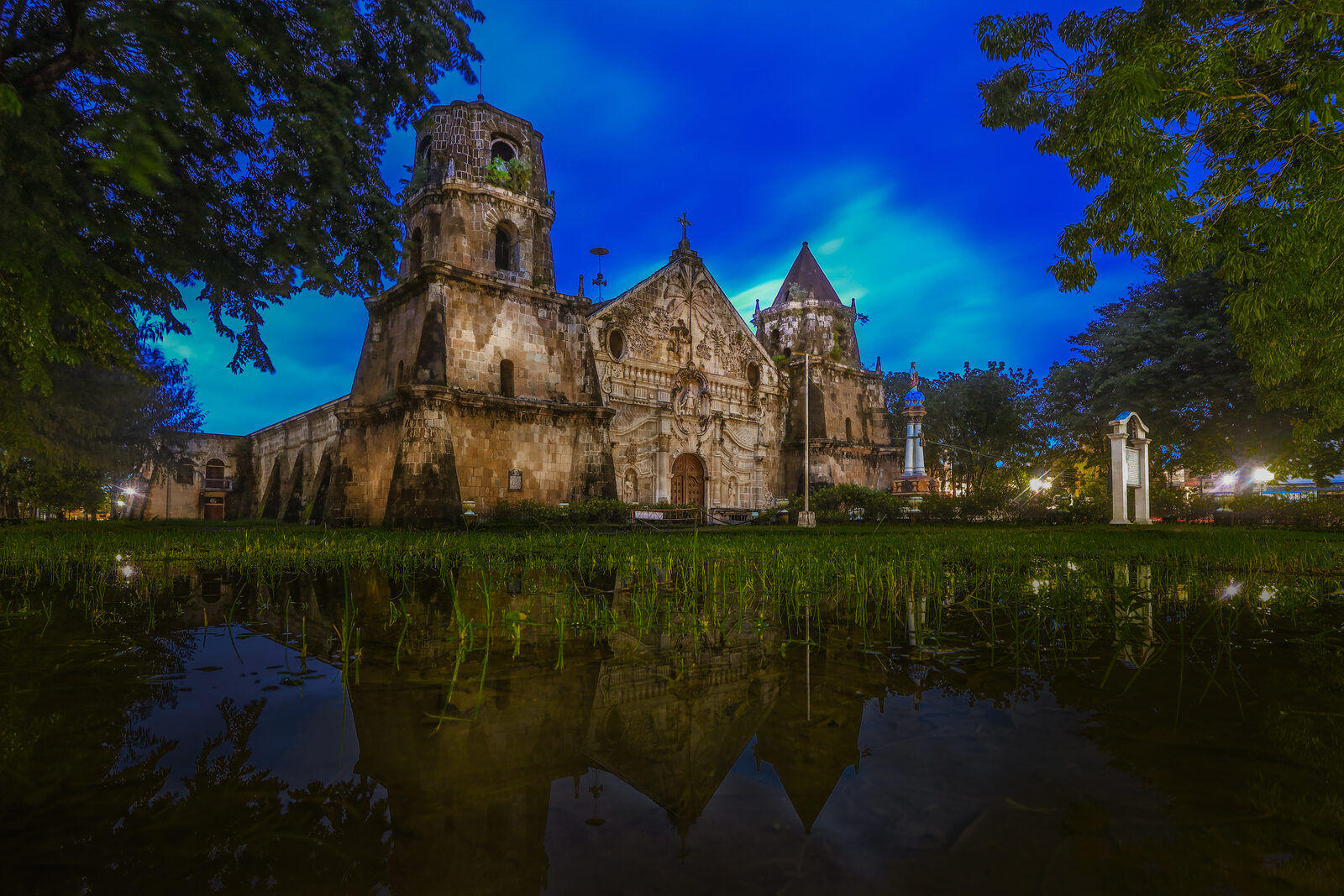
The coral-stone facade of Miagao Church in Iloilo, built 1797
Miagao Church in Iloilo, finished in 1797 — a fortress-church of golden sandstone.

1800s

Under the Spanish Flag

How they looked Visayans wore the baro’t saya and the embroidered barong, and — uniquely — the patadyong, a handwoven plaid wrap-skirt still worn in the islands today. Iloilo’s weavers were famous for fine piña and sinamay cloth spun from pineapple and abaca fibre.

What was happening Cebu had been the first Spanish settlement in the islands, and by the 1800s the Visayas thrived: Iloilo grew into a great weaving town and port, while sugar plantations spread across Negros and built a wealthy planter class. Faith was anchored in grand coral-stone churches like Miagao, raised in 1797.
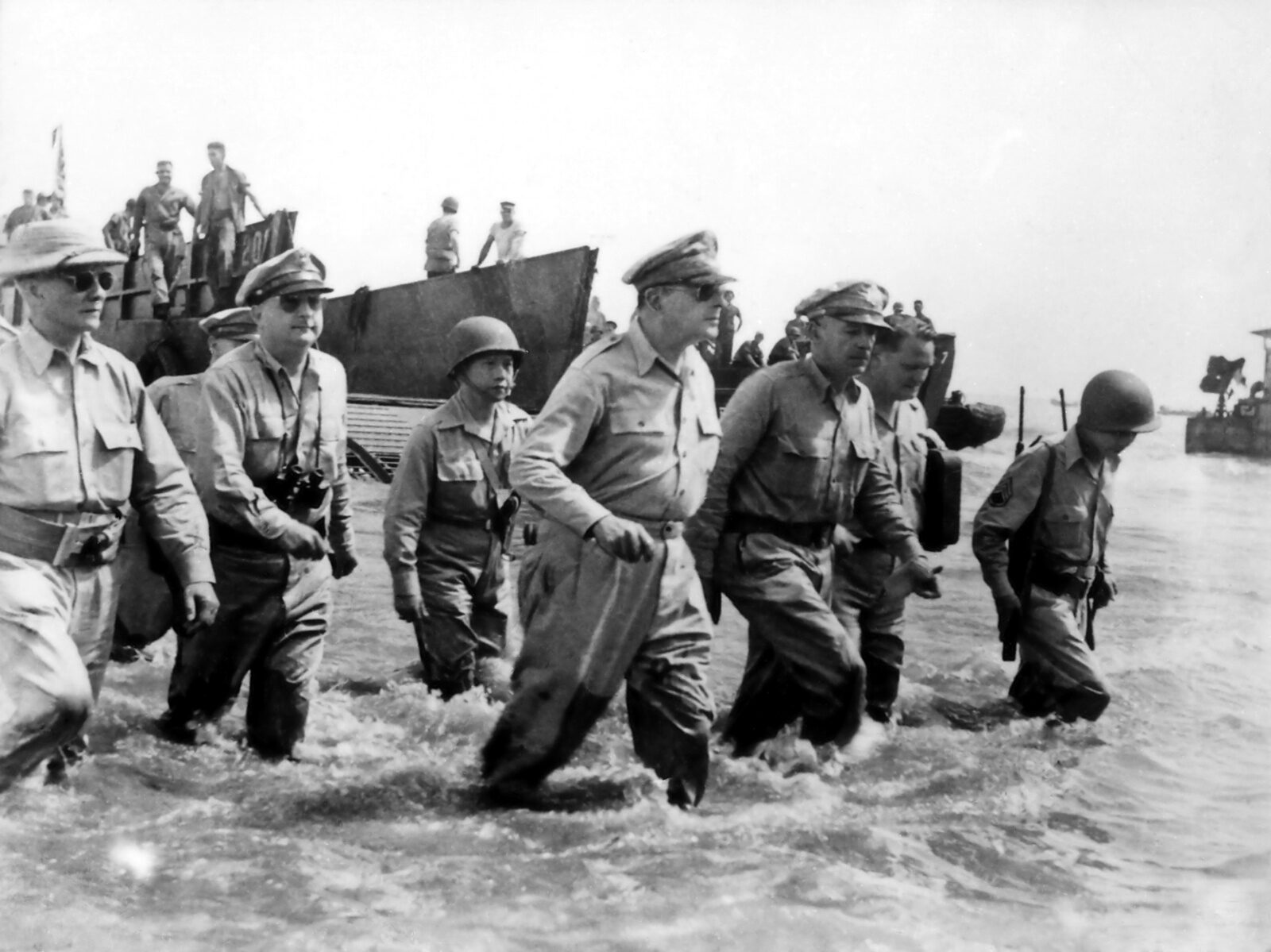
General Douglas MacArthur wading ashore at Leyte in October 1944
October 1944: General MacArthur wades ashore at Leyte — “I have returned.”

1900s

Where the War Turned

How they looked Under American rule the cities adopted Western suits and dresses, with the terno and barong kept for formal days — though in the towns and barrios the patadyong and baro’t saya carried on much as before.

What was happening The sugar of Negros and the ports of Cebu and Iloilo powered the early twentieth century. Then, in October 1944, the Visayas became the hinge of the Pacific War: General MacArthur waded ashore at Leyte, and the Battle of Leyte Gulf — the largest naval battle in history — was fought in Visayan waters, beginning the country’s liberation.

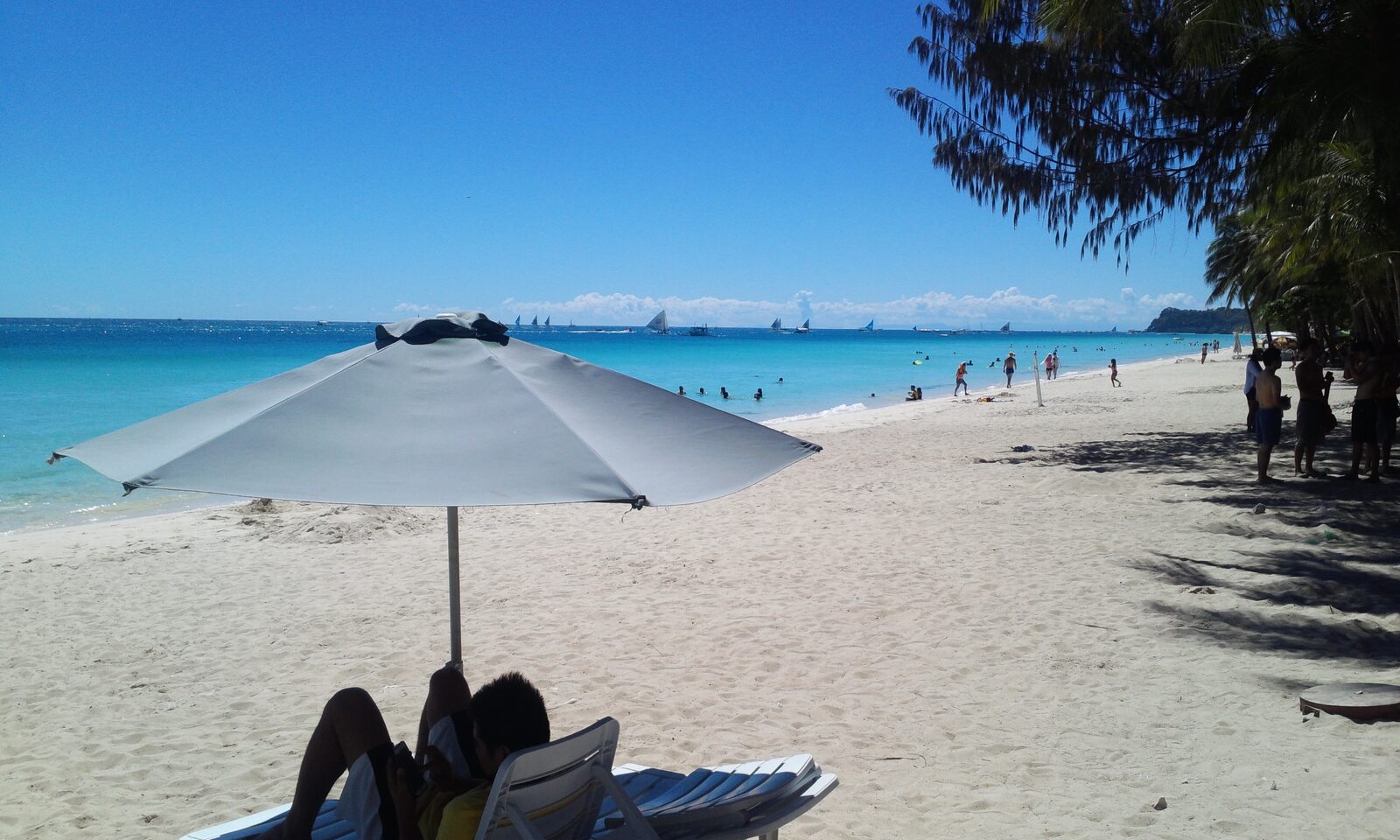
The white-sand shore of Boracay in the Visayas today
The white sands of Boracay — the Visayas as the country’s playground today.

Today

Islands of Festival & Sea

How they look Everyday dress is modern and global, but the woven patadyong and dazzling festival costumes come alive each year — painted bodies, beads, and feathers worn with fierce pride.

What is happening The Visayas are the nation’s playground and a cultural heartland: Boracay’s white beaches, Bohol’s Chocolate Hills, and the booming metropolis of Cebu. They host the country’s grandest festivals — Cebu’s Sinulog, Kalibo’s Ati-Atihan, and Iloilo’s Dinagyang — where history, faith, and dance pour into the streets.

Back to the Philippines

Images via Wikimedia Commons — Chocolate Hills, Bohol (CC BY-SA 4.0); Miagao Church, Iloilo (CC BY-SA 4.0); MacArthur lands at Leyte, 1944 (public domain); Boracay White Beach (CC BY-SA 3.0).