The Philippines Luzon · The Northern Islands

An Island Through Time

LuzonThe great island of the north

The largest and most populous island of the Philippines — home to mountain rice terraces, broad river plains, and the capital, Manila. This is how its people, and the way they lived and dressed, changed across two centuries.

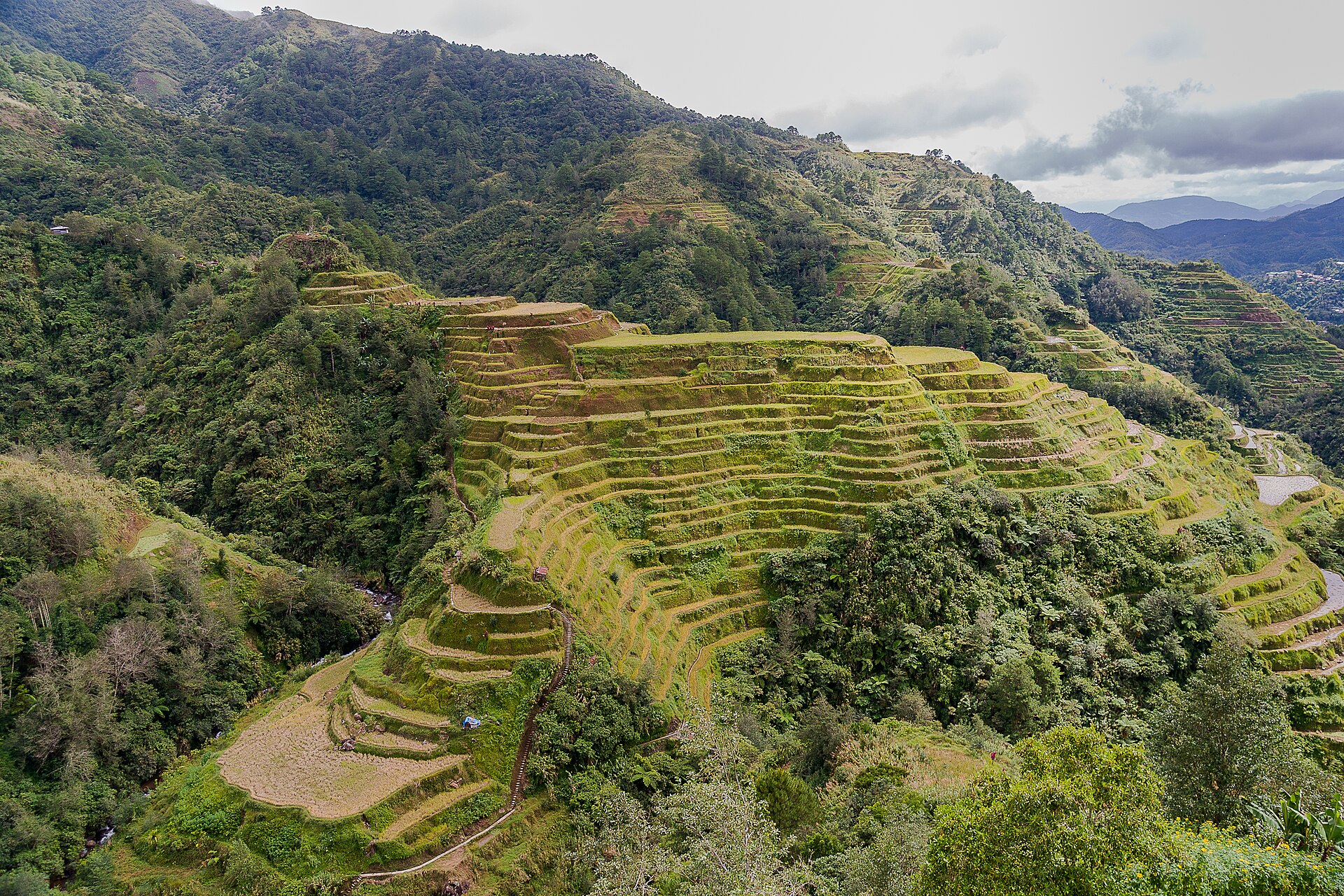
The Banaue rice terraces carved into the Cordillera mountains of Luzon
The Banaue rice terraces of the Cordillera — carved by hand more than two thousand years ago.

Luzon holds nearly half of all Filipinos and the beating heart of the nation. From the cool highlands of the Cordillera to the rice plains of Central Luzon and the harbours of Manila Bay, it has been the stage for the country’s greatest changes — colony, battleground, and modern metropolis. Travel with us from the candlelit 1800s to the glittering skyline of today.

A Journey Through Time

1800s → Today

A 5-Minute Journey, Coming Soon

A short film tracing Luzon from the Spanish 1800s through the American years to the present day — the faces, the fashion, and the moments that shaped the island. Drop back in soon to watch.

Film in production

The Look & The Times

Through the Years

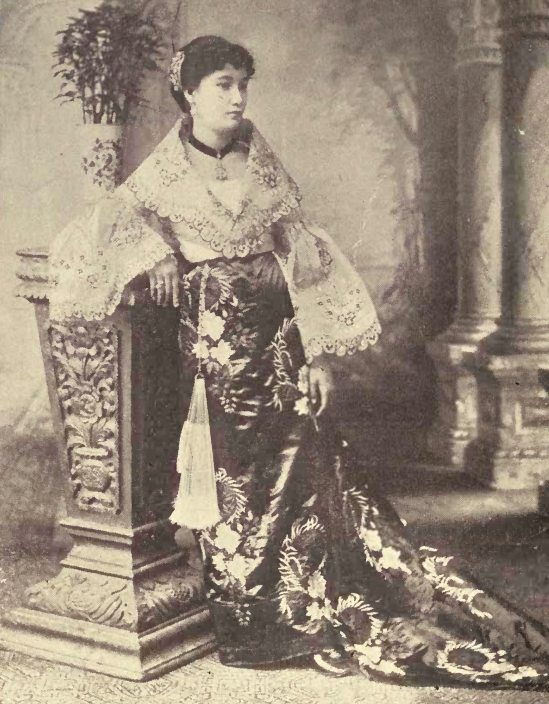
A Filipina photographed in 1899 wearing the traje de mestiza
A Filipina in the traje de mestiza, photographed in 1899.

1800s

Under the Spanish Flag

How they looked Women of means wore the traje de mestiza — a delicate piña-cloth blouse with wide, stiff sleeves, an embroidered pañuelo folded over the shoulders, and a long, flowing saya skirt. Everyday women wore the simpler baro’t saya. Men wore the sheer, embroidered barong tagalog worn untucked, while educated ilustrados favoured European frock coats and top hats, and farmers shaded themselves with the wide salakot hat.

What was happening For most of the century Luzon lived under Spanish rule, centred on Manila and its walled city of Intramuros. Life turned on the church, the land, and the barangay. By the century’s end, reformers like José Rizal spoke out, the Katipunan rose in 1896, and on 12 June 1898 — at Kawit in Cavite, on Luzon — independence was declared.
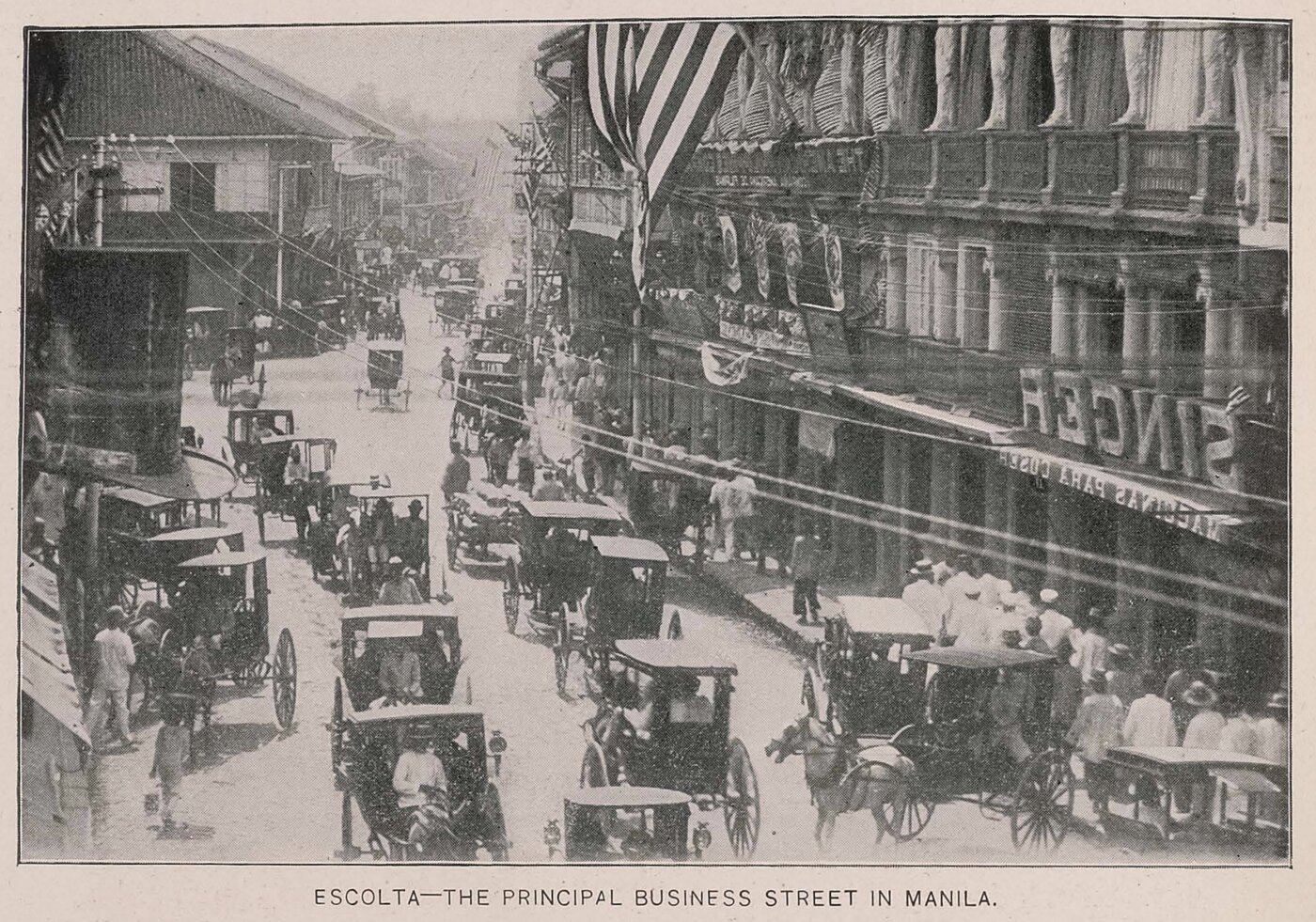
The Escolta, Manila's main commercial street, in the early 1900s
The Escolta — Manila’s grand commercial street — in the American era.

1900s

The American Era

How they looked Fashion blended East and West. Men increasingly wore Western suits, neckties, and hats, keeping the barong for formal days. The women’s terno evolved and soon gained its famous stiff “butterfly” sleeves. Children walked to the new public schools in crisp uniforms.

What was happening After 1898 the islands passed from Spain to the United States. American teachers — the “Thomasites” — spread English and public education, while electric tranvía streetcars and automobiles filled avenues like the bustling Escolta. Manila grew into a modern capital, until the Second World War and the devastating Battle of Manila in 1945. Full independence came on 4 July 1946.

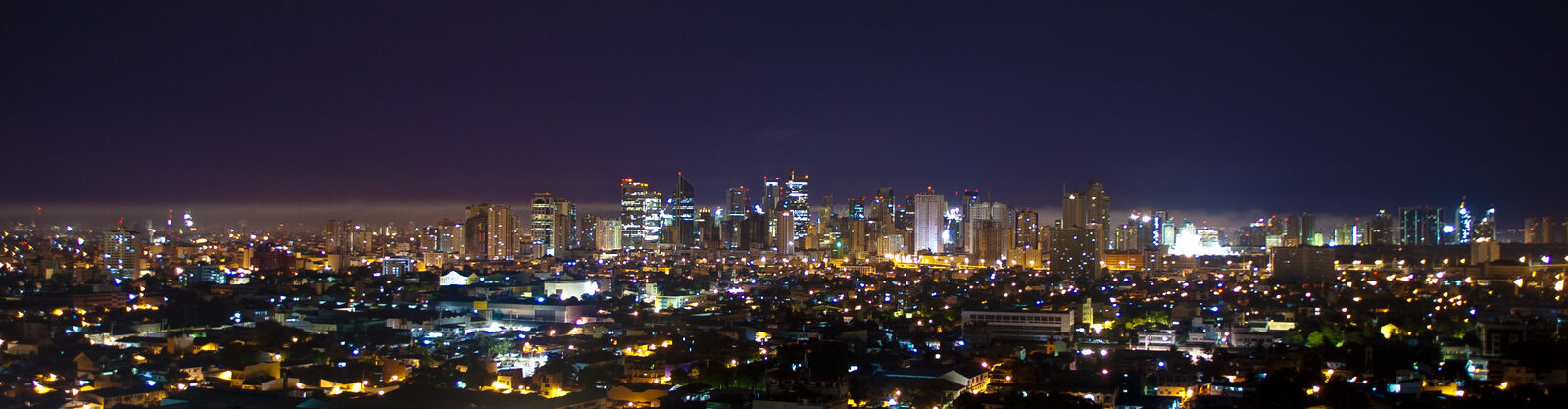
The modern Makati skyline of Metro Manila at night
The Makati skyline of Metro Manila — Luzon today.

Today

The Modern Metropolis

How they look Filipinos now dress like anyone in a modern city — jeans, T-shirts, streetwear, office suits — while the barong tagalog and the elegant terno are still worn with pride at weddings, holidays, and grand occasions. Style today is global, young, and fast-moving.

What is happening Luzon is now home to Metro Manila, the nation’s sprawling capital and economic heart. Glass towers rise over Makati and Bonifacio Global City; jeepneys, trains, and millions of people fill the streets. From Spanish plaza to American avenue to today’s skyline, Luzon’s story is one of constant reinvention.

Back to the Philippines

Images via Wikimedia Commons — Banaue Rice Terraces © CEphoto, Uwe Aranas (CC BY-SA 3.0); Spanish-Filipina mestiza, 1899 (public domain); the Escolta, Manila (public domain); Makati skyline at night (CC0).