The Philippines Mindanao · The Southern Islands

An Island Through Time

MindanaoThe proud island of the south

The large southern island that looked outward to the wider Malay world — land of sultanates and seafarers, highland peoples and great rivers. This is how its people lived and dressed across the centuries.

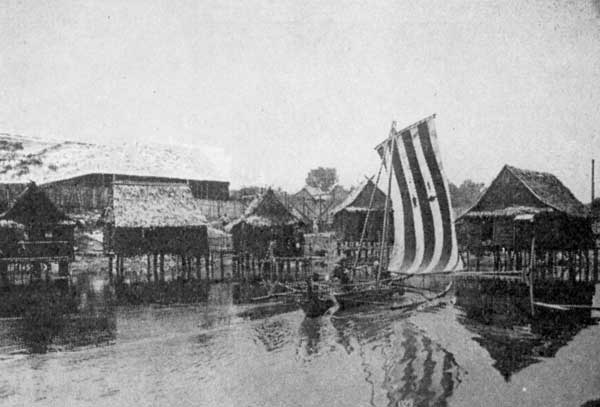
A Sama-Bajau vinta sailing boat with layered sails
A Sama-Bajau vinta under its layered sails — the seacraft of Mindanao’s trading peoples.

Mindanao has always marched to its own rhythm. While the north fell under three centuries of Spanish rule, the Muslim sultanates of the south held their own, trading across the seas and guarding their faith and freedom. Inland lived dozens of indigenous Lumad peoples. Travel with us from the age of sultans to the bustling cities of today.

A Journey Through Time

1800s → Today

A 5-Minute Journey, Coming Soon

A short film tracing Mindanao from the age of the sultanates through the American years to the present day — the faces, the fashion, and the moments that shaped the southern island. Drop back in soon to watch.

Film in production

The Look & The Times

Through the Years

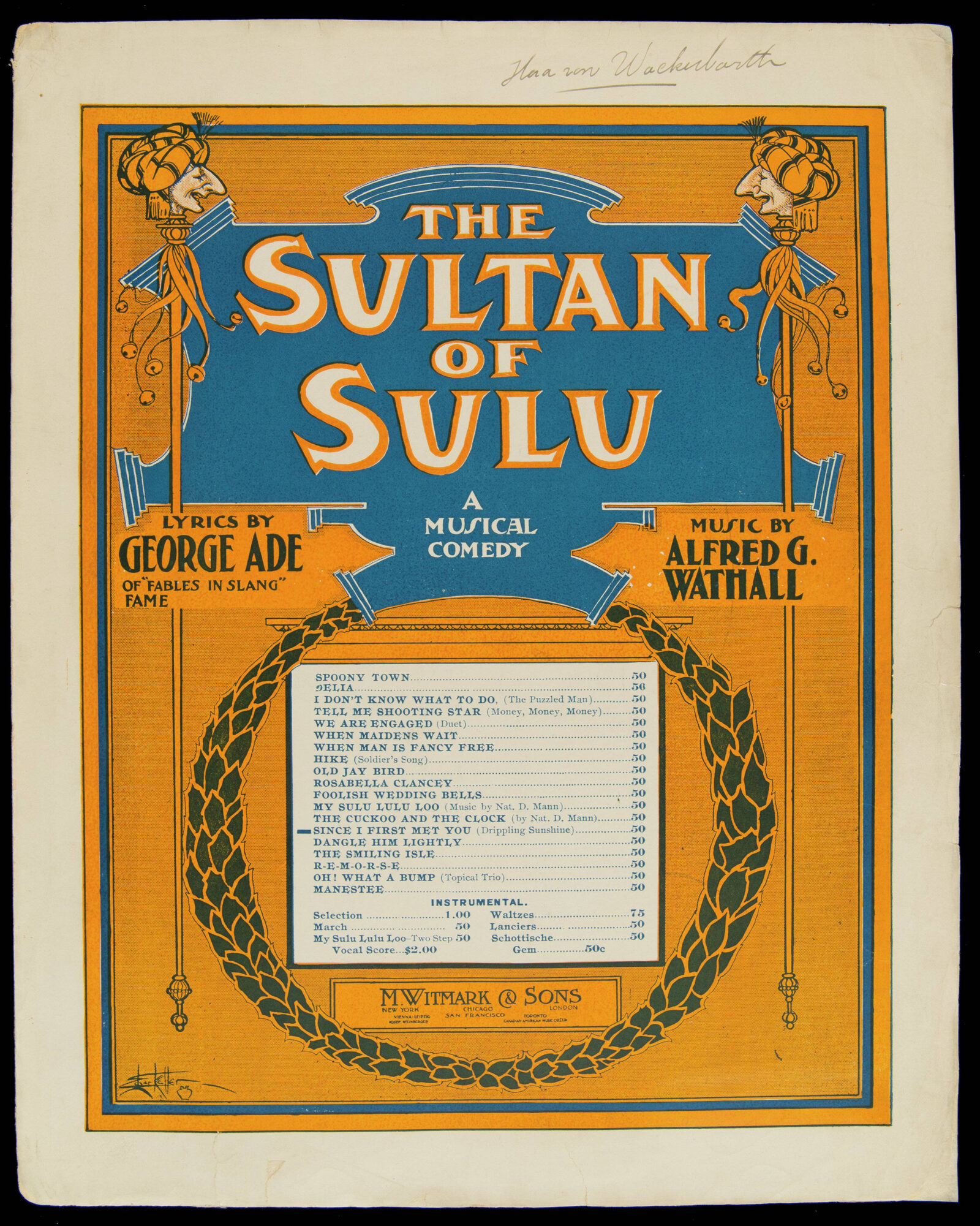
A historic photograph of the Sultan of Sulu in royal dress
The Sultan of Sulu — the southern islands kept their own rulers and faith.

1800s

The Age of Sultanates

How they looked Moro royalty and warriors wore richly woven malong tube-skirts and sarong, embroidered jackets, and the wavy-bladed kris sword. Maranao and Tausug artisans were famed for their gleaming brass and intricate okir carving.

What was happening Much of Mindanao was never truly ruled by Spain. The Muslim Sultanates of Sulu and Maguindanao held power, trading pearls, gold, and forest goods across the southern seas with Borneo and beyond, and resisting outside conquest for centuries. In the highlands lived the Lumad — dozens of indigenous peoples.
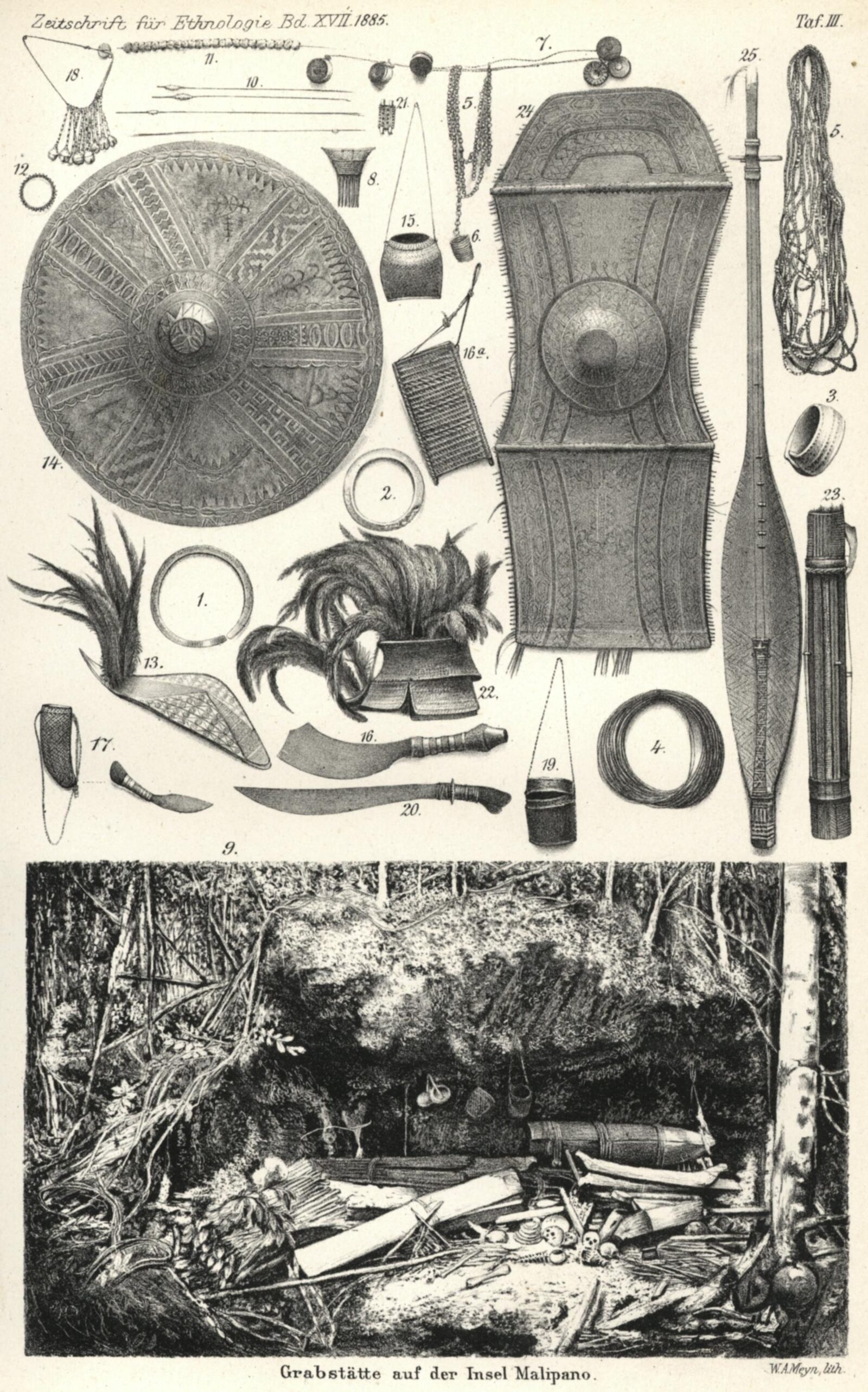
An 1885 illustration of Bagobo people of Mindanao and their dress
Bagobo people of the Mindanao highlands and their finery, depicted in 1885.

1900s

Peoples & the Frontier

How they looked The Lumad peoples — Bagobo, Manobo, T’boli, Subanen and more — wore boldly coloured, heavily beaded and embroidered dress, abaca cloth, and fine brass ornaments, each group with its own unmistakable style.

What was happening After 1899 the Americans established the “Moro Province” and met fierce resistance in Sulu and Lanao. Settlers from Luzon and the Visayas were drawn south to Mindanao’s vast frontier lands, and towns like Davao began to grow — setting the stage for the busy island of today.

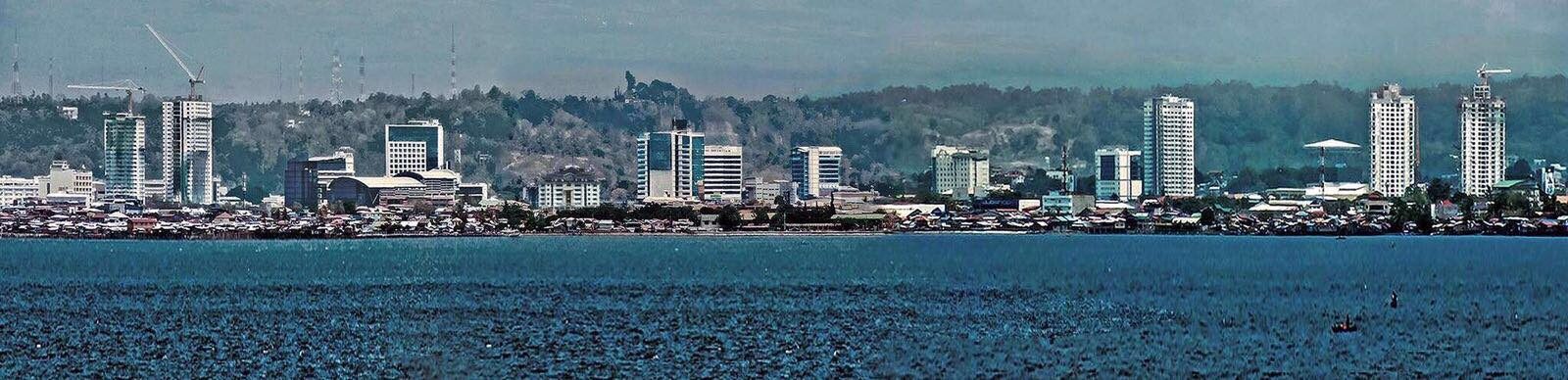
The modern skyline of Davao City in Mindanao
The skyline of Davao City — Mindanao’s great southern metropolis today.

Today

The Southern Powerhouse

How they look Daily dress is modern, but Mindanao wears its heritage proudly — the malong, the shimmering T’boli t’nalak cloth, and grand festival costumes at celebrations like Davao’s Kadayawan.

What is happening Mindanao is the nation’s fruit basket — pineapples, bananas, and the famed durian — and Davao City has grown into a major metropolis. Its cultures stay vividly alive: Maranao brass and the singkil dance, T’boli weaving, and the colourful vinta regattas off Zamboanga.

Back to the Philippines

Images via Wikimedia Commons — Sama-Bajau vinta, 1923 (public domain); the Sultan of Sulu (public domain); Bagobo people, 1885 (public domain); Davao City skyline (CC BY-SA 4.0).