Behind every stunning sunset, there’s a history of moments where the elements just broke loose. But what always blows me away isn’t how hard these disasters hit — it’s how people somehow pull together and rebuild every single time.
Ranked roughly by lives lost · tap any card to flip it & read the story
- 1
Moro Gulf Earthquake & Tsunami
1976~5,000–8,000 deaths
Tap to read the story ↻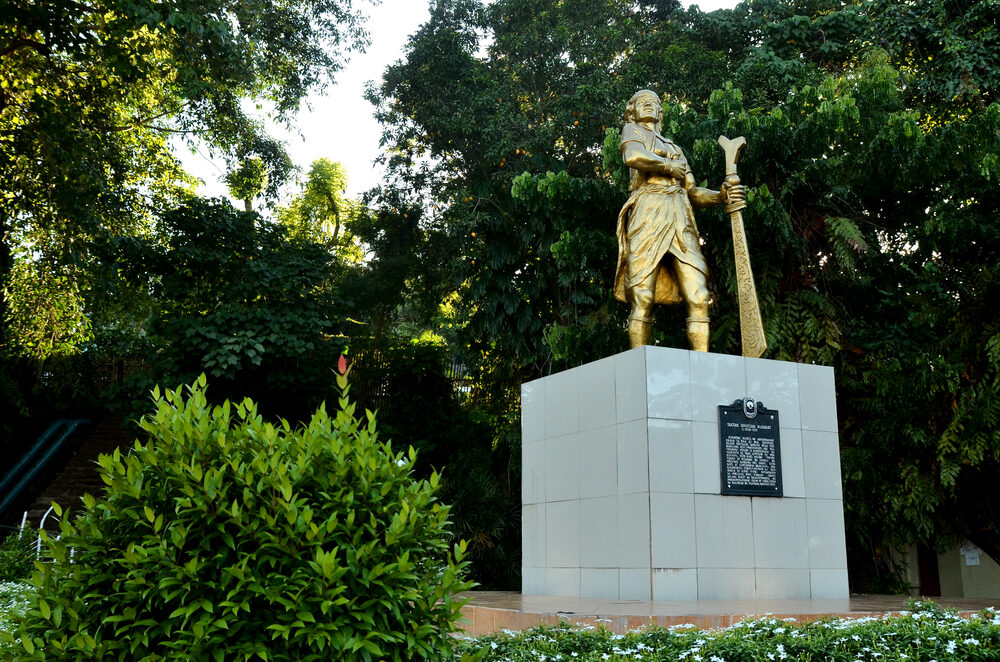
Moro Gulf Earthquake & Tsunami
How It Started
Just past midnight, the coastal towns along the Celebes Sea in Mindanao were fast asleep. Deep beneath the ocean floor, tension had built for years along the Cotabato Trench — then the fault snapped. A magnitude-8.0 quake jolted everyone awake. For people on the shore, the real terror came after the shaking: the ocean pulled back fast, baring the reefs. The ultimate tsunami warning — but back then, nobody knew.
The Moment It Hit
Minutes later, out of the pitch-black night, walls of water up to 30 feet high crashed onto the shore. No alerts, no sirens. Whole stilt-house villages were lifted off their foundations and dragged out to sea, while people clung to coconut trees and floating roofs to survive. By sunrise, over 700 km of coastline was simply gone.
How Everyone Helped
GovtThe military led search and rescue; a Presidential Task Force rebuilt coastal infrastructure.
NGOsThe Philippine Red Cross gave tents, food and medical teams; UNICEF and Catholic Relief Services built shelters and supplied clean water to head off cholera.
Representative image: Cotabato City (CC BY-SA)
- 2
Super Typhoon Yolanda (Haiyan)
20136,300+ dead, 1,061 missing
Tap to read the story ↻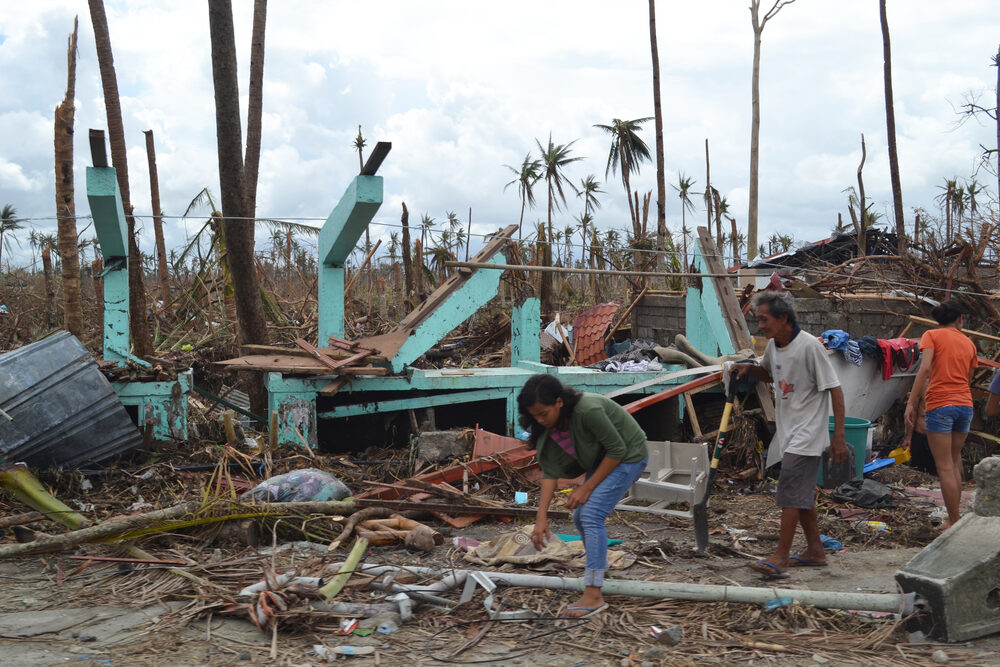
Super Typhoon Yolanda (Haiyan)
How It Started
A tiny, quiet disturbance over the warm Pacific began gorging on deep, warm ocean water and grew into an absolute monster. By the time it turned toward Eastern Visayas, meteorologists were staring at their screens in pure panic. It wasn’t a storm anymore — it was a spinning atmospheric chainsaw.
The Moment It Hit
People in Tacloban woke in pitch blackness; the grid had failed hours before. Survivors say the wind sounded like a dozen freight trains tearing through their living rooms. But the real nightmare was the surge: winds over 315 km/h sucked the sea upward into a 20-foot wall of water that slammed inland, tossing cars, shipping containers and two-storey houses like toys and swallowing whole neighbourhoods in minutes.
How Everyone Helped
GovtThe military cleared Tacloban’s airport so C-130s could fly in relief; the NDRRMC adopted a “Build Back Better” plan.
NGOsOne of the largest aid efforts in history — Oxfam, MSF, CARE and World Vision ran field hospitals, water purification and cash-for-work.
Photo: Tacloban after Haiyan, 2013 (CC BY)
- 3
Tropical Storm Uring (Thelma)
1991~5,100–8,000 deaths
Tap to read the story ↻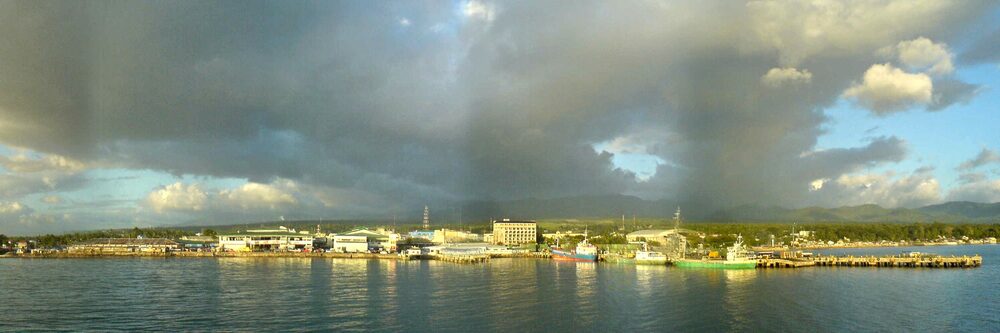
Tropical Storm Uring (Thelma)
How It Started
This one catches people off guard because it wasn’t even a full typhoon — “just” a tropical storm. But Uring dumped a ridiculous amount of rain over the mountains of Leyte until the soil was completely saturated. Decades of illegal logging had stripped the hillsides bare, so nothing was left to hold the mud and water back.
The Moment It Hit
Around mid-morning, a choked river of mud, rocks and uprooted logs burst down the mountain and slammed straight into Ormoc City. People were trapped. Within hours the low-lying areas were underwater and the currents swept thousands of residents out into Ormoc Bay — one of the quickest, most unexpected tragedies in Visayan history.
How Everyone Helped
GovtA state of calamity was declared; with many local workers among the dead, national military forces handled mass burials and cleared the streets.
NGOsThe Red Cross and Caritas Manila rushed in relief; the disaster launched national campaigns against illegal logging.
Representative image: Ormoc City (CC BY-SA)
- 4
The Haiphong Typhoon
1881~3,000 deaths (in the Philippines)
Tap to read the story ↻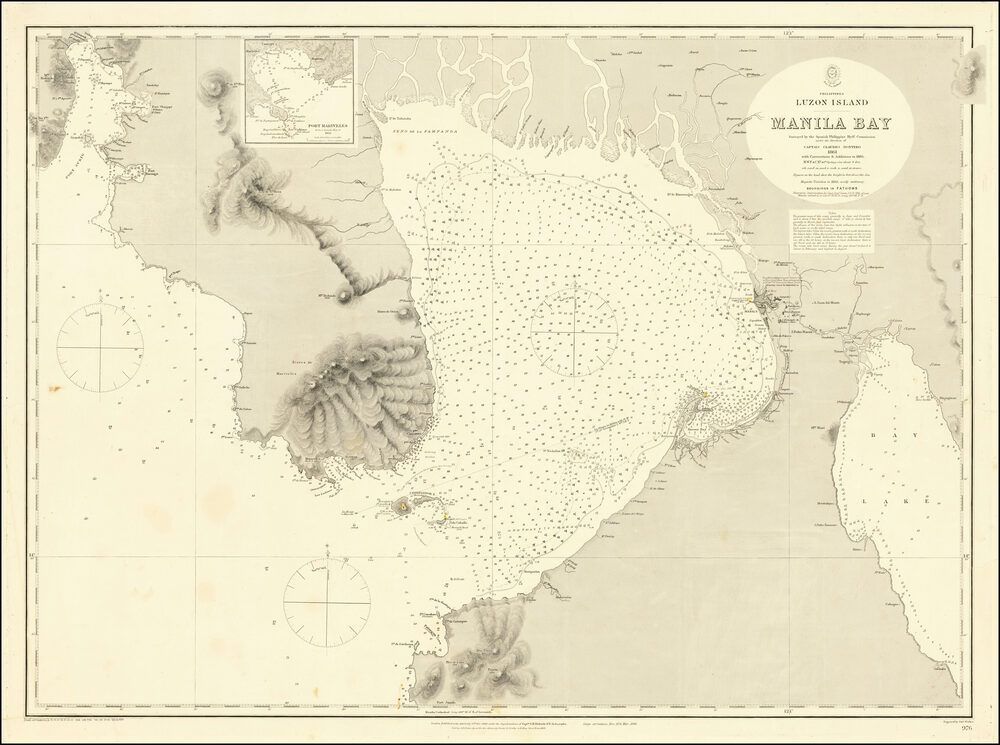
The Haiphong Typhoon
How It Started
This massive historic typhoon crossed the Pacific and swept through Northern and Central Luzon before moving into the South China Sea and striking Haiphong, Vietnam. On its way through, it drove an incredibly violent storm surge into Manila Bay and the surrounding provinces.
The Moment It Hit
The surge flooded the low-lying areas of Manila, Bulacan and Pampanga. Traditional thatched houses were easily destroyed by the wind and rising water. With no electricity or modern communication, news traveled by horseback — and it took days to realise the immense loss of life in the coastal farming and fishing villages.
How Everyone Helped
GovtThe Spanish colonial government deployed the Guardia Civil and sanitary commissions to clear debris and prevent a cholera outbreak.
NGOsThe Catholic Church, through parishes and charitable brotherhoods (cofradías), gave food and clothing and opened stone churches as sanctuaries.
Representative image: 1880s Manila Bay chart (public domain)
- 5
The Great Luzon Earthquake
1990~1,621–2,412 deaths
Tap to read the story ↻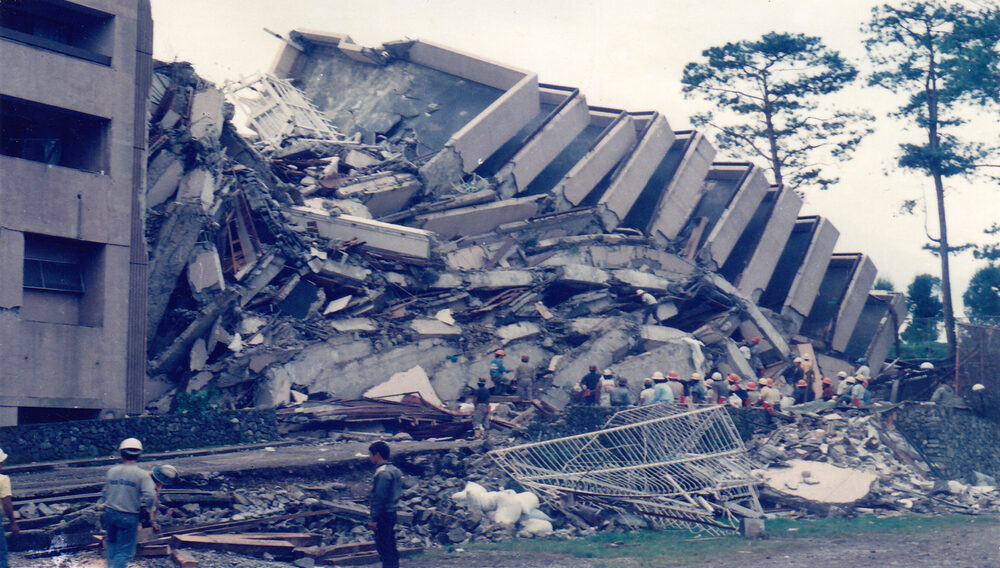
The Great Luzon Earthquake
How It Started
It was a normal Monday afternoon — kids in school, people wrapping up work. Deep along the Digdig Fault in Central Luzon, the earth’s crust suddenly slipped. The energy released was so massive that the ground shook violently for nearly a full minute, tearing up roads and snapping buildings in half.
The Moment It Hit
Baguio, up in the mountains, bore the brunt — hotels like the Hyatt Terraces completely pancaked, trapping hundreds. School buildings collapsed in Cabanatuan, and Dagupan literally sank as the soil liquefied into quicksand. Massive landslides blocked Kennon Road and Marcos Highway, cutting Baguio off from the world.
How Everyone Helped
GovtPresident Cory Aquino’s task force reopened mountain roads; Benguet Corporation miners joined the military pulling survivors from the rubble.
NGOsUS and UK teams arrived with sound-detection gear; universities, Rotary Clubs and churches ran tent cities and first aid.
Photo: Hyatt Terraces collapse, Baguio, 1990 (public domain)
- 6
Mayon Volcano Eruption
1814~2,200 deaths
Tap to read the story ↻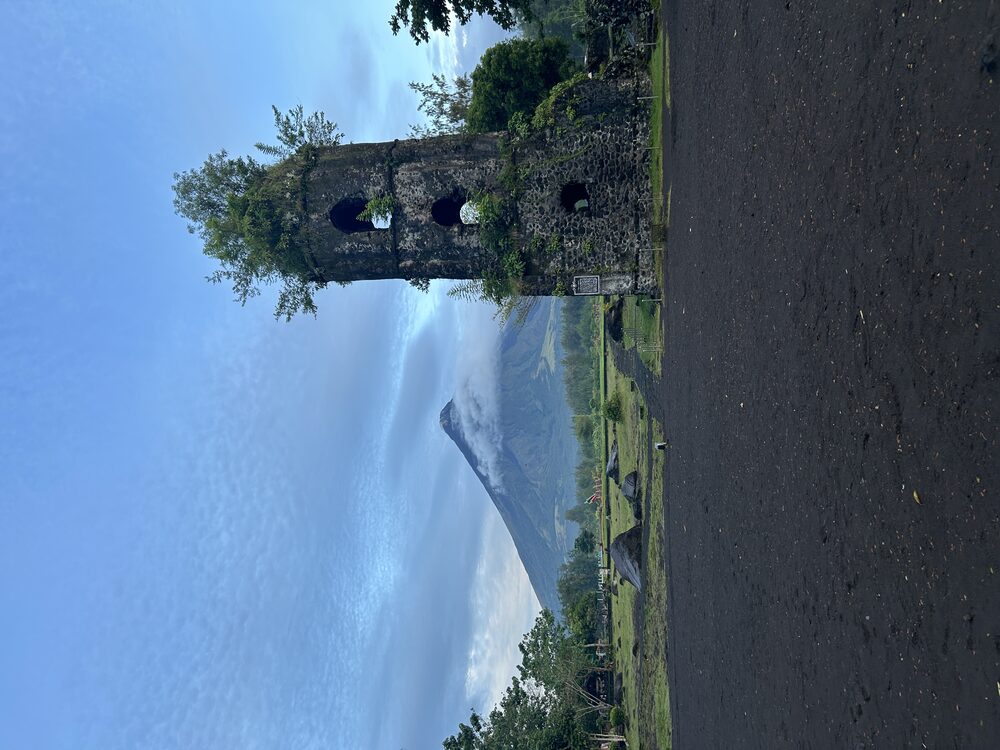
The 1814 Mayon Volcano Eruption
How It Started
Mayon had been quiet for a few years, but deep underground, massive pressure was building. On the morning of February 1, the volcano erupted violently, shooting a giant column of ash and fire into the sky.
The Moment It Hit
It released deadly pyroclastic flows and massive lahars down its near-perfect cone. The town of Cagsawa was completely buried under rocks and ash. Hundreds of residents ran inside the town’s stone church for safety, but the mudflows overwhelmed it. Today, only the famous Cagsawa belfry still stands — a haunting reminder of that day.
How Everyone Helped
GovtThe Spanish provincial governor moved survivors permanently from the danger zone, expanding the safe settlements of Legazpi and Daraga.
NGOsParish priests ran the relief centres, fed survivors from church stores, and relocated entire farming communities.
Photo: Cagsawa ruins & Mayon (CC BY)
- 7
Super Typhoon Pablo (Bopha)
2012~1,901 dead or missing
Tap to read the story ↻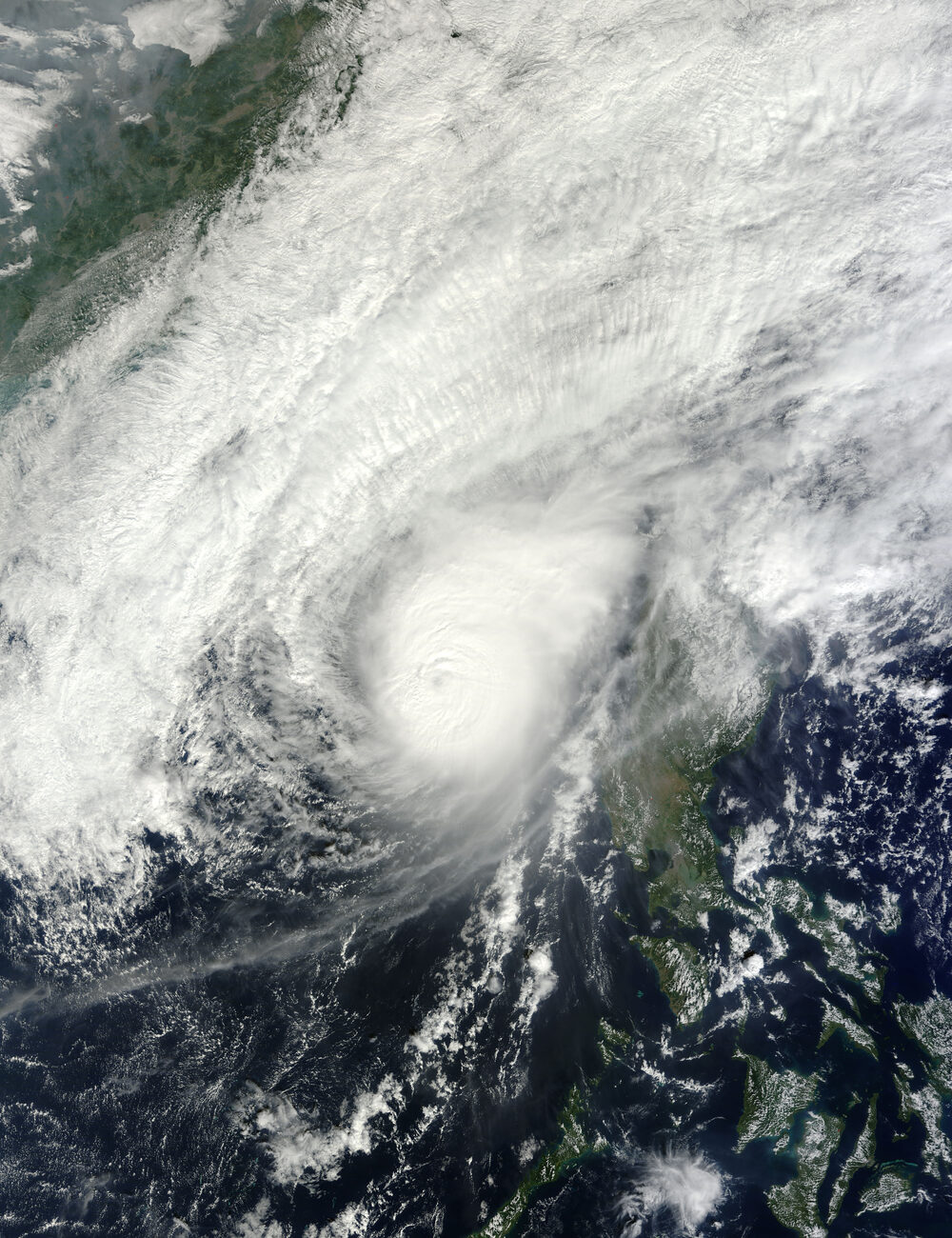
Super Typhoon Pablo (Bopha)
How It Started
Mindanao is usually considered outside the “typhoon belt,” so when Pablo formed as a Category 5 monster, it caught farming communities off guard. It packed winds of over 280 km/h, making it the strongest typhoon ever to hit the Davao Region.
The Moment It Hit
Pablo slammed into Davao Oriental and Compostela Valley with terrifying force. It didn’t just take roofs — it flattened millions of coconut trees and obliterated banana plantations, the lifeblood of the local economy. In the mountains, rain triggered mudslides that swallowed entire army outposts and evacuation centres thought to be safe.
How Everyone Helped
GovtThe DSWD set up bunkhouses; the military cleared roads buried under millions of fallen coconut trees.
NGOsThe IFRC and corporate foundations built permanent homes and gave farmers replacement banana and coconut seeds.
Image: Bopha from space, 2012 (public domain)
- 8
Typhoon Angela (Rosing)
1995~936–1,800 deaths
Tap to read the story ↻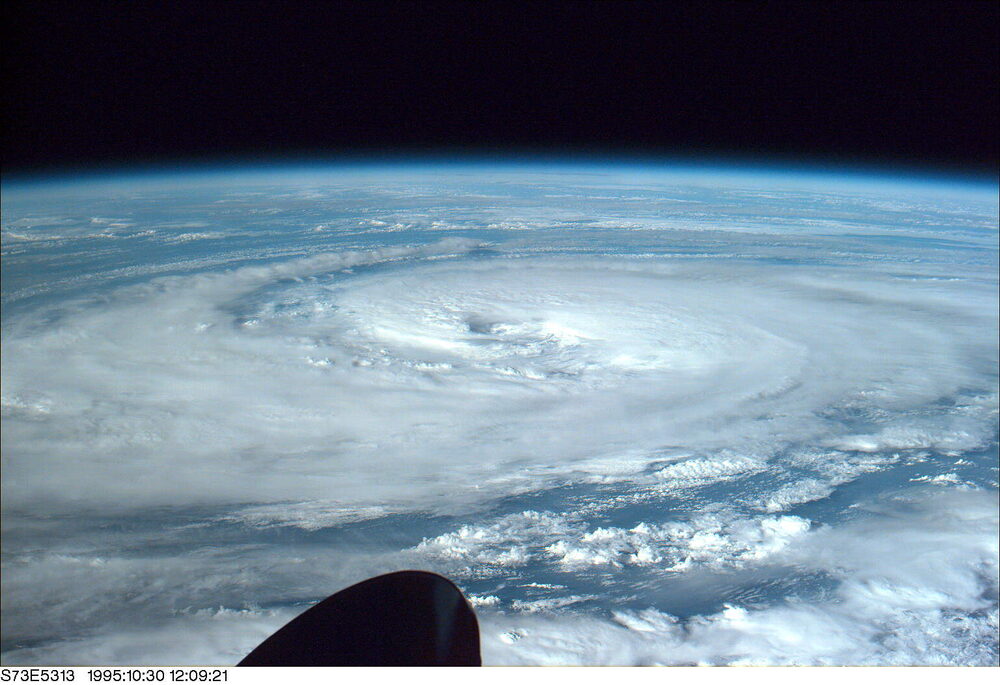
Typhoon Angela (Rosing)
How It Started
Rosing was one of the most powerful typhoons of the 1990s. It formed in the Pacific and held its ferocious intensity on a direct run toward the Bicol Region, Calabarzon and Metro Manila, packing winds of up to 260 km/h.
The Moment It Hit
Rosing caused absolute devastation. It tore roofs off houses, uprooted century-old trees, and collapsed hundreds of high-voltage steel transmission towers, plunging the entire island of Luzon into a weeks-long blackout. Storm surges flooded coastal areas while heavy rain flooded Metro Manila.
How Everyone Helped
GovtPresident Fidel V. Ramos declared a state of calamity and raced to rebuild the toppled transmission towers.
NGOsCorporate foundations and civic groups gave relief packs and repaired school roofs so children could return to class.
Image: Angela from STS-73, 1995 (public domain)
- 9
Typhoon Winnie
2004~1,593 dead or missing
Tap to read the story ↻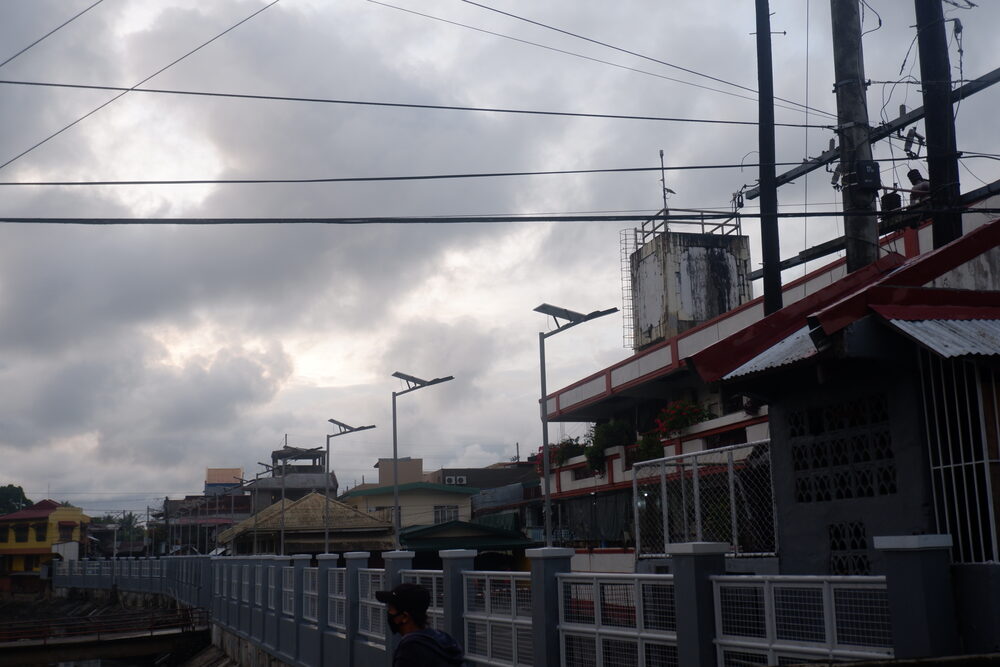
Typhoon Winnie
How It Started
Like Tropical Storm Uring, Winnie wasn’t even a full typhoon — technically just a tropical depression. But it crawled over Quezon Province, dumping non-stop, torrential rain onto the Sierra Madre. Heavy deforestation meant the mountainsides simply couldn’t hold the water.
The Moment It Hit
Massive mudslides and flash floods slammed into Real, Infanta and General Nakar. Rushing rivers carried thousands of illegally-logged timber logs down from the mountains. These giant logs became battering rams, smashing through concrete houses, destroying bridges and cutting the towns off from any land rescue.
How Everyone Helped
GovtAir force helicopters airlifted survivors and dropped food, since every road and bridge was blocked by mud and logs.
NGOsEnvironmental NGOs pushed for anti-logging laws; the Red Cross and Gawad Kalinga supplied materials for new homes.
Representative image: Infanta, Quezon (CC BY-SA)
- 10
The Unnamed Leyte Typhoon
1897~1,500 deaths
Tap to read the story ↻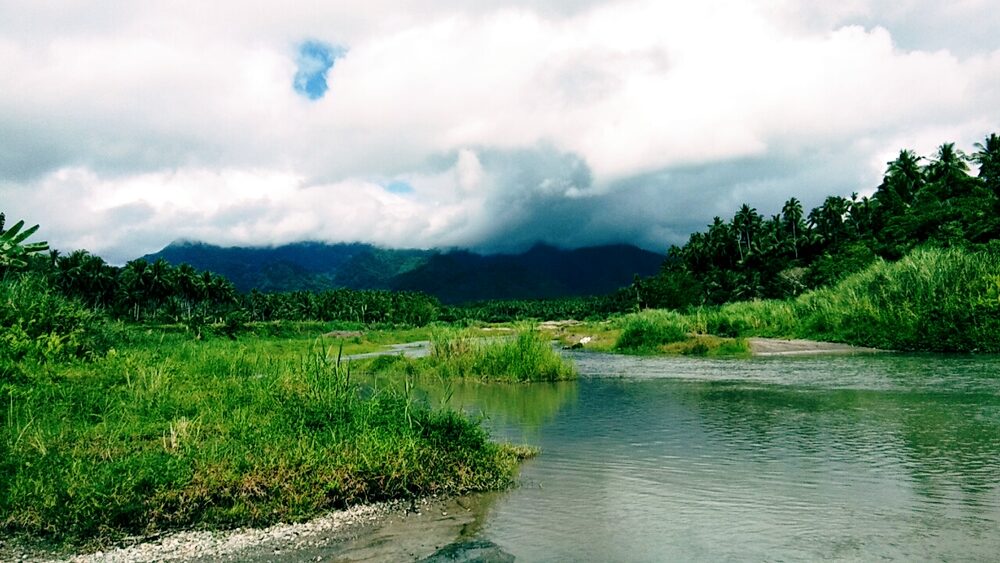
The Unnamed Leyte Typhoon of 1897
How It Started
This historical monster struck long before typhoons were given official names. It caught the islands of Samar and Leyte completely by surprise, bringing intense winds and a sudden, massive rise in sea level.
The Moment It Hit
The typhoon pushed an incredible storm surge inland, sweeping away coastal towns across Leyte and Samar. It was so destructive because people back then had no early-warning systems and no concrete buildings to hide in. Thousands of traditional wooden homes were simply washed into the sea in a single evening.
How Everyone Helped
GovtStriking amid the Philippine Revolution, the crumbling Spanish regime gave little; local gobernadorcillos were left to clear the debris.
NGOsCommunity mutual-aid (bayanihan) networks and church parishes provided the primary relief, food and medical care.
Representative image: Leyte coast (CC BY-SA)
- 11
Typhoon Nitang (Ike)
1984~1,426–1,492 deaths
Tap to read the story ↻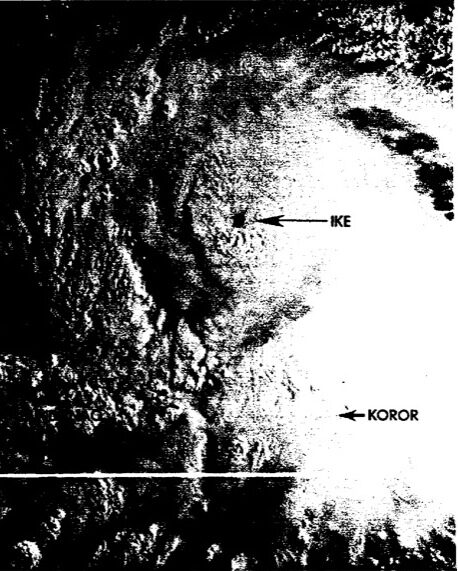
Typhoon Nitang (Ike)
How It Started
Nitang formed in the Pacific and grew into an absolute monster before slamming directly into Surigao del Norte. It packed extreme winds that shattered the coastal infrastructure of Northern Mindanao before tearing across the Central Visayas islands.
The Moment It Hit
Surigao City was almost entirely flattened. The winds were strong enough to blow down concrete buildings, destroy the power lines and smash the water systems. Massive storm surges ruined coastal barrios, leaving thousands homeless and cut off from food and clean drinking water for days.
How Everyone Helped
GovtThe National Disaster Coordinating Council led rehabilitation, rebuilding the water systems and sea walls of Surigao City.
NGOsUSAID and the Red Cross supplied water-purification tablets, medicine and metal roofing sheets.
Image: Typhoon Ike from space, 1984 (public domain)
- 12
Super Typhoon Reming (Durian)
2006~1,399 dead or missing
Tap to read the story ↻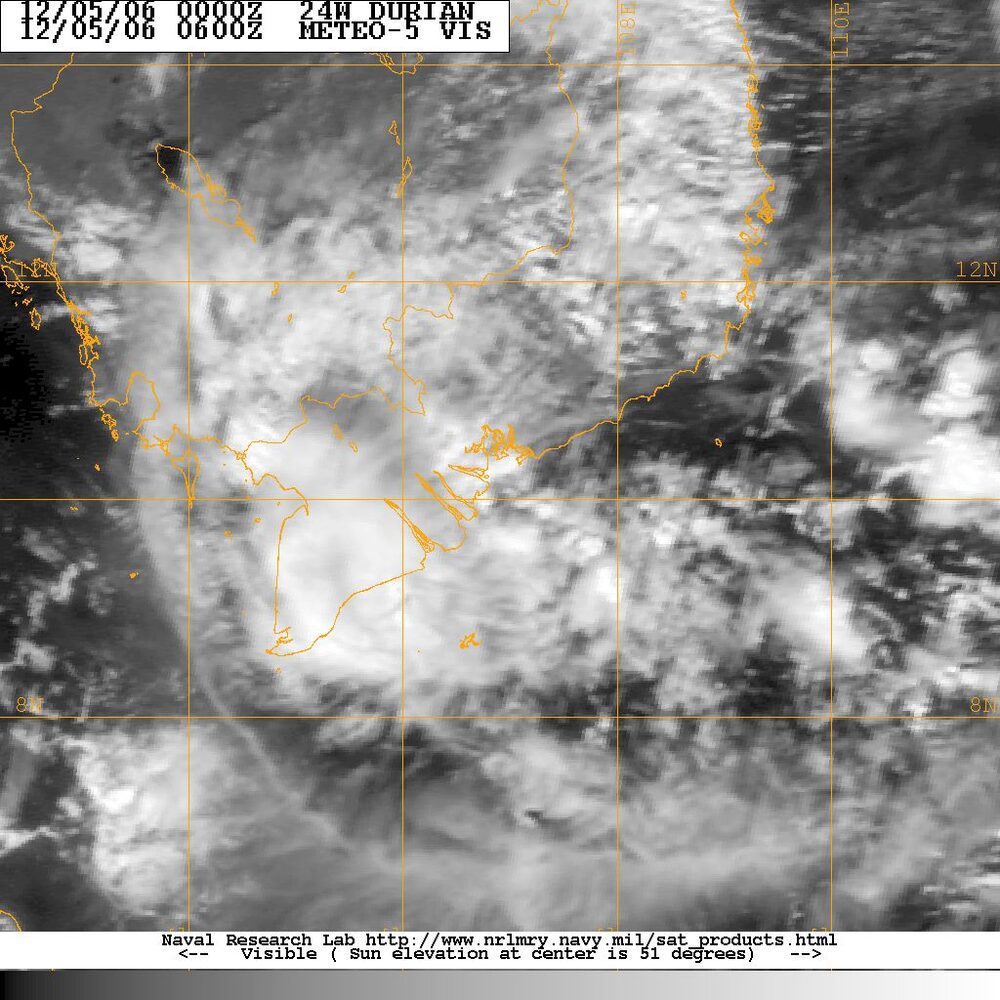
Super Typhoon Reming (Durian)
How It Started
Reming was an incredibly intense typhoon that took a direct path toward the Bicol Region. Bicolanos are used to big storms, but Reming carried a hidden danger — its heavy rains drenched the slopes of Mayon Volcano, loosening millions of tons of volcanic ash and boulders left over from earlier eruptions.
The Moment It Hit
As Reming’s winds battered Albay, the water mixed with the volcanic debris and roaring walls of black mud and boulders cascaded down the mountain into the villages below. Entire homes were buried to their roofs in volcanic rock, families trapped inside as the sludge hardened like concrete.
How Everyone Helped
GovtThousands of families in Mayon’s danger zones were permanently relocated to newly built townships.
NGOsPlan International and Save the Children built child-friendly spaces and gave long-term psycho-social support.
Image: Durian from space, 2006 (public domain)
- 13
Typhoon Frank (Fengshen)
2008~1,371 deaths (800+ on the ferry)
Tap to read the story ↻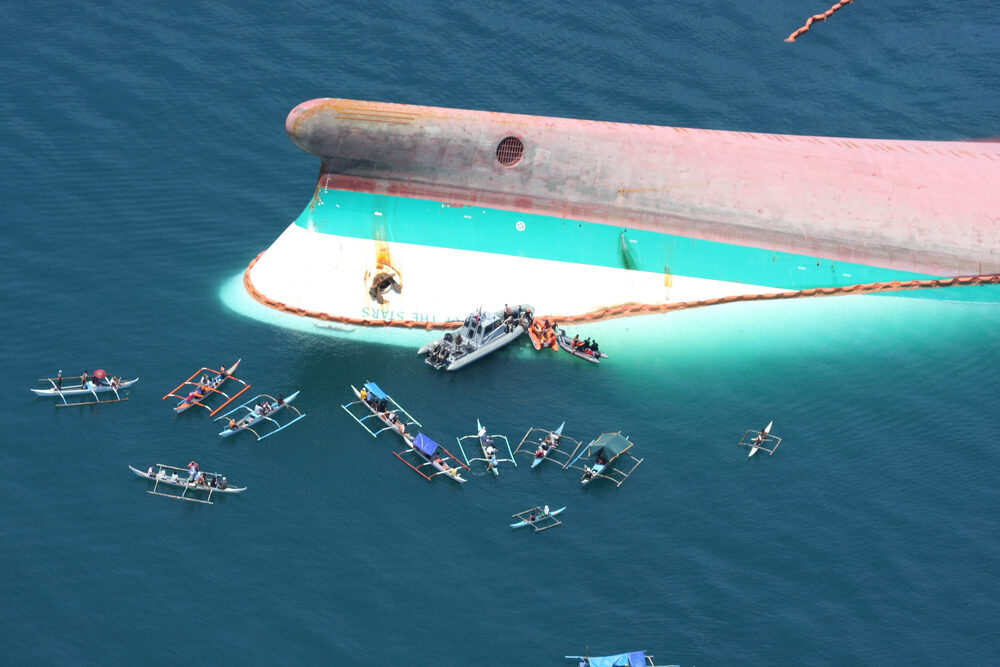
Typhoon Frank & the MV Princess of the Stars
How It Started
Frank was already ripping through Western Visayas, dumping insane amounts of rain on Iloilo. But the real nightmare was out at sea: the huge passenger ferry MV Princess of the Stars sailed straight into the storm’s path near Sibuyan Island, its captain believing the ship could handle the rough water.
The Moment It Hit
On land, Iloilo suffered terrible flooding that submerged whole towns. At sea, the ferry’s engine failed amid giant waves and the ship capsized, trapping over 800 passengers inside or casting them into the freezing, storm-tossed ocean — while rescue teams couldn’t even get close through the raging weather.
How Everyone Helped
GovtThe Coast Guard and Navy divers led a weeks-long recovery; the shipping company’s operations were suspended.
NGOsThe Red Cross ran a family-tracking centre to identify the dead, while Iloilo groups set up soup kitchens for flooded neighbourhoods.
Photo: the capsized ferry, 2008 (public domain)
- 14
Taal Volcano Eruption
1911~1,335 deaths
Tap to read the story ↻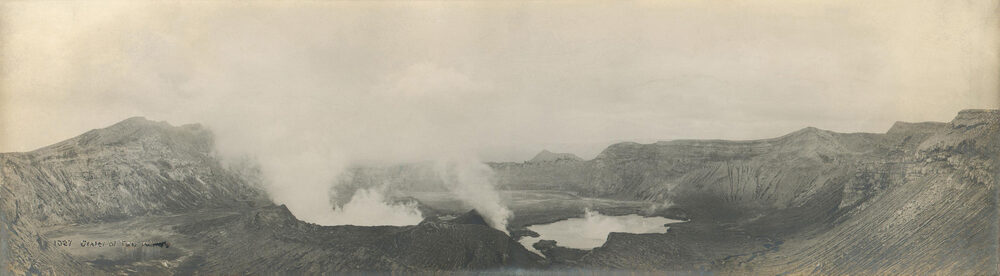
The 1911 Taal Volcano Eruption
How It Started
Taal, sitting in the middle of a beautiful lake in Batangas, started showing its anger in early January with frequent earthquakes. By late January the pressure built up so much that lake water seeped into the magma chamber, creating a highly explosive mix of steam and ash.
The Moment It Hit
Early on January 30, a colossal blast ripped through Volcano Island. It didn’t just shoot ash upward — it sent a scalding wave of ash, mud and toxic gases sideways across the lake, wiping out several lakeside villages and suffocating people and livestock in minutes. The ash cloud was so huge it was seen all the way from Manila.
How Everyone Helped
GovtThe American colonial administration sent the US Army and Philippine Constabulary to seal off Volcano Island and keep order.
NGOsThe American Red Cross (Philippine Chapter) raised funds, distributed food, and built mainland housing for displaced lakeside families.
Representative image: Taal crater pre-1911 (public domain)
- 15
Tropical Storm Sendong (Washi)
2011~1,292–2,546 dead or missing
Tap to read the story ↻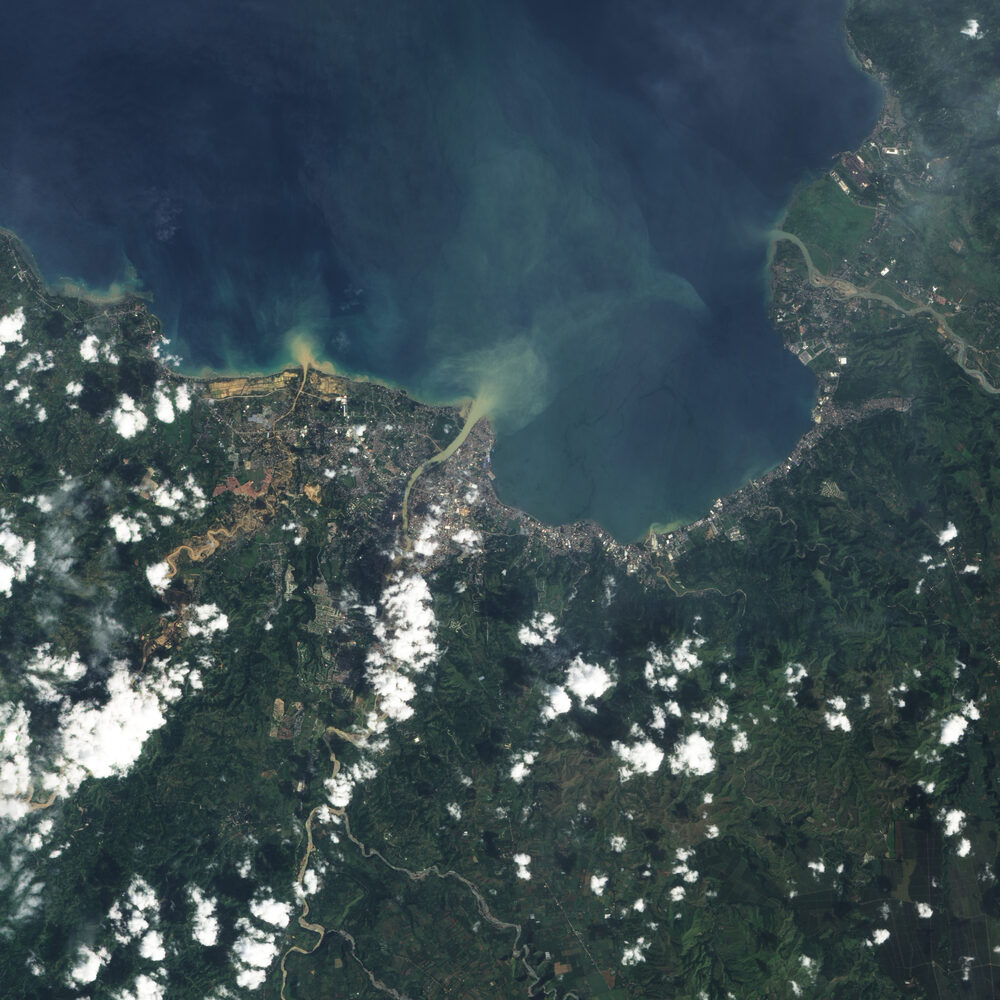
Tropical Storm Sendong (Washi)
How It Started
Sendong crept up on Northern Mindanao right before Christmas. Because Cagayan de Oro and Iligan rarely take direct typhoons, many people didn’t think much of the warnings. But as everyone slept, Sendong dumped a month’s worth of rain onto the mountains in just twelve hours.
The Moment It Hit
Around midnight a wall of water rushed down the river basins. People woke with water already touching their ceilings. Rivers burst their banks, sweeping thousands of stilt houses and sleeping families straight into the ocean. The darkness made it almost impossible to see, and the sheer speed of the water dragged whole communities away before anyone could scream for help.
How Everyone Helped
GovtThe NDRRMC used trucks and rubber boats for midnight rescues; President Benigno Aquino III declared a national state of calamity.
NGOsHabitat for Humanity, GMA Kapuso and ABS-CBN Sagip Kapamilya built thousands of permanent homes away from the rivers.
Photo: Cagayan de Oro after Washi, 2011 (public domain)
- 16
Guinsaugon Landslide
2006~1,126 deaths (incl. a whole school)
Tap to read the story ↻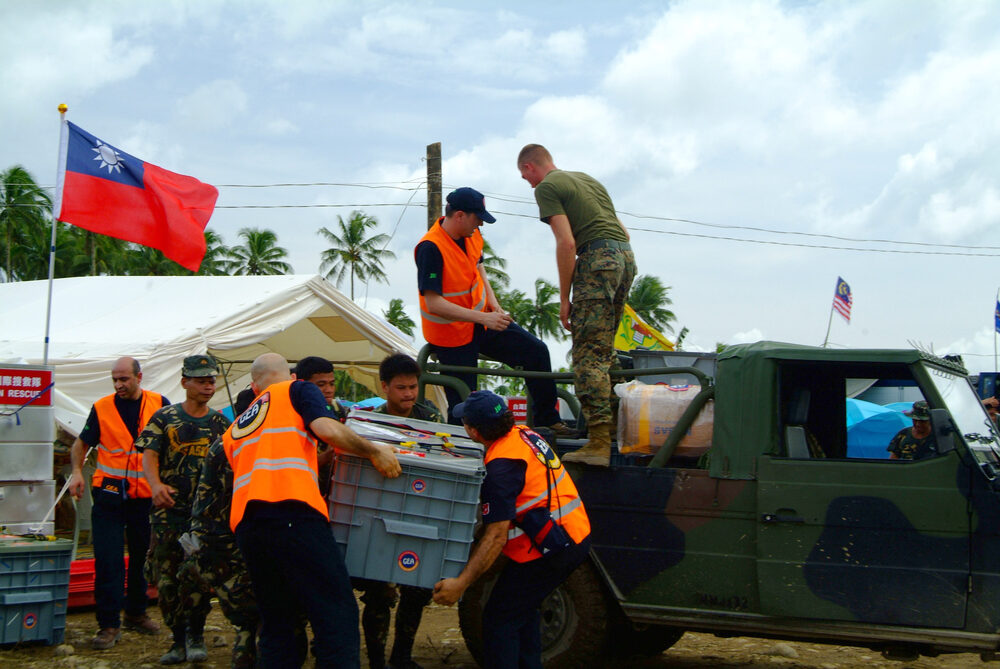
The Guinsaugon Landslide
How It Started
Southern Leyte had been battered by two straight weeks of heavy rain, followed by a tiny, almost unnoticeable magnitude-2.6 earthquake. That little shake was the final straw — the mountainside above Barangay Guinsaugon became completely unstable and gave way.
The Moment It Hit
In a matter of seconds, a massive wall of mud and rock roared down the mountain, burying the village under 30 feet of mud. It happened so fast that people couldn’t even run. An entire elementary school with over 200 children inside was completely swallowed. A bustling village became a flat, eerie plain of gray mud in an instant.
How Everyone Helped
GovtThe military and local miners led the perilous search through quicksand-like mud; the government built geohazard maps of other high-risk zones.
NGOsSearch teams from the US, Taiwan and Malaysia brought dogs and gear; the Red Cross and church groups built a whole new village.
Photo: US Navy relief, S. Leyte, 2006 (public domain)
- 17
Typhoon Amy (Yoyong)
1951~991 deaths
Tap to read the story ↻
Typhoon Amy (Yoyong)
How It Started
Typhoon Amy was a powerful storm that struck the Central Visayas right during the Christmas season. It dumped continuous, heavy rain over the islands of Panay and Negros, causing the region’s major rivers to overflow rapidly.
The Moment It Hit
The rivers turned into raging torrents, flooding towns and sweeping away wooden bridges. Widespread landslides trapped people in mountain villages, while coastal towns faced rough seas that destroyed fishing boats and seaside communities.
How Everyone Helped
GovtThe Quirino administration declared an emergency and used navy vessels to ship rice, medicine and clothing to isolated island provinces.
NGOsThe newly independent Philippine National Red Cross and church groups ran province-wide donation drives.
Representative image: Negros Occidental (CC0)
- 18
Typhoon Trix
1952~995 deaths
Tap to read the story ↻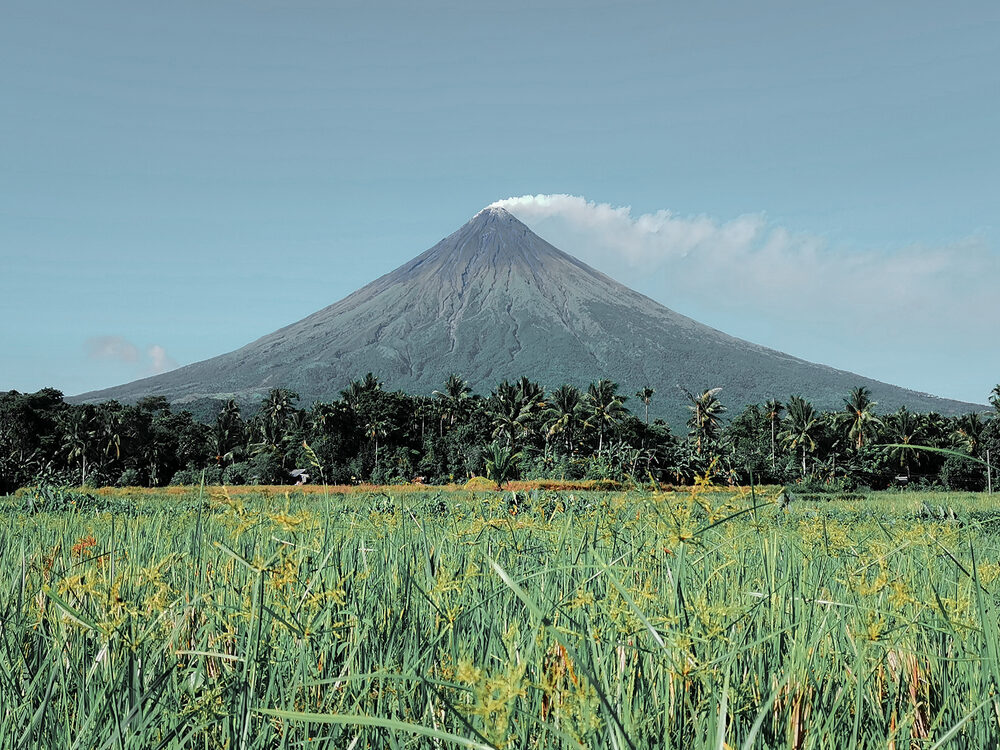
Typhoon Trix
How It Started
Trix was an incredibly slow-moving storm that lingered over the Bicol Peninsula for nearly three days, dumping an insane amount of non-stop water on already waterlogged agricultural land.
The Moment It Hit
Because the storm moved so slowly, the flooding lasted for days. Entire farming villages were submerged, destroying the region’s rice crop and trapping families on their roofs as they waited for the water to recede. Widespread mudslides also cut off transport across the whole Bicol region.
How Everyone Helped
GovtThe national government released rehabilitation funds to rebuild roads, bridges and agricultural dikes across Bicol.
NGOsCatholic schools and churches became evacuation shelters, serving food and hot meals to displaced families.
Representative image: Mayon & Bicol rice fields (CC BY-SA)
- 19
Mount Pinatubo Eruption
1991~847 deaths (low, thanks to evacuations)
Tap to read the story ↻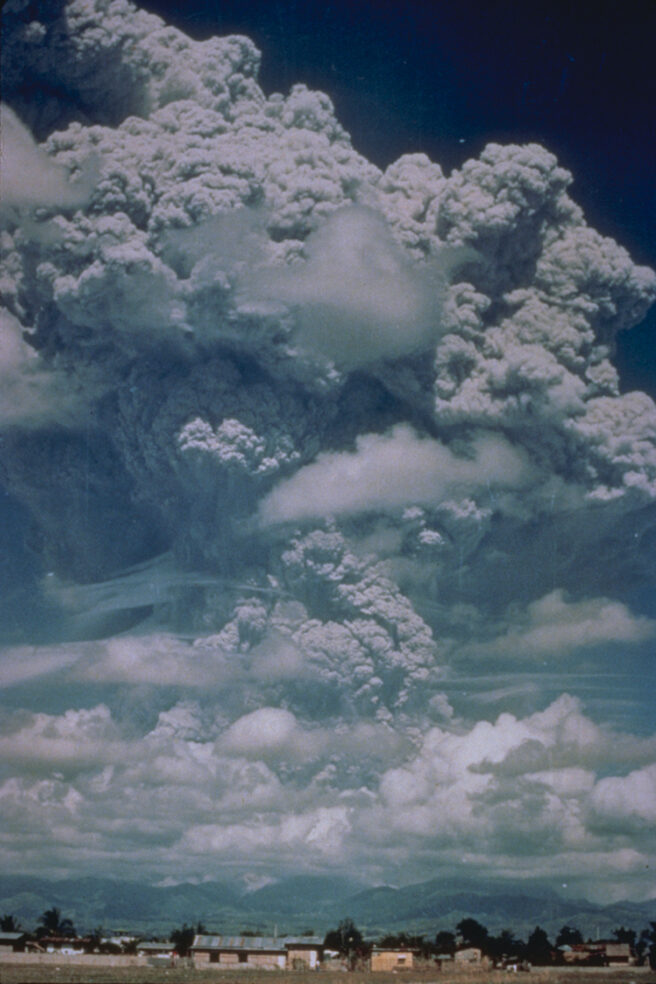
The Mount Pinatubo Eruption
How It Started
For over 500 years Pinatubo was a quiet, forested mountain — most people nearby didn’t even know it was a volcano. In April 1991 it began “coughing” with small steam explosions as a dome of boiling magma punched toward the surface. Scientists from PHIVOLCS rushed to draw evacuation lines.
The Moment It Hit
On June 15 the mountain blew its top off, shooting an ash column 21 miles into the sky and turning midday into midnight. In a cruel twist, Typhoon Diding made landfall at the exact same time — the rain mixed with falling ash to create lahar, roaring rivers of wet cement that buried towns, choked rivers and collapsed roofs across Central Luzon.
How Everyone Helped
GovtThe Mount Pinatubo Commission, funded with ₱10 billion, built mega-dikes against the lahars and turned Clark into a new economic zone.
NGOsOver 58,000 people were evacuated beforehand. Indigenous-rights groups helped the displaced Aeta find safe highland areas to rebuild.
Photo: Pinatubo erupting, 1991 (public domain)
- 20
Super Typhoon Ruping (Mike)
1990~748 deaths
Tap to read the story ↻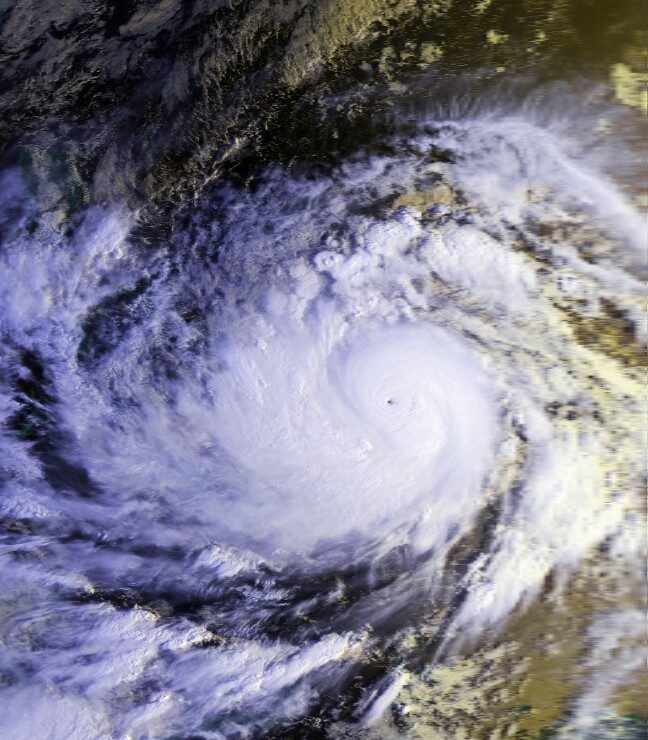
Super Typhoon Ruping (Mike)
How It Started
Ruping was a massive, wide storm that took a direct path across the belly of the Visayas. It packed extreme winds that bore down on highly urbanised areas — most notably Cebu Province.
The Moment It Hit
Ruping completely crippled Cebu. The winds destroyed the Mactan–Mandaue bridge’s shipping lanes, collapsed power lines and knocked out the water supply. Cebu went completely dark, without water and cut off from communication, and ships even sank in the harbour, creating a massive maritime mess.
How Everyone Helped
GovtThe push to restore Cebu’s power and water spurred a drive toward self-reliance later dubbed the “Ceboom.”
NGOsBusiness groups, chambers of commerce and civic clubs delivered clean water and roofing sheets straight to the urban poor.
Image: Typhoon Mike from space, 1990 (public domain)
“What blows you away isn’t how hard these disasters hit — it’s how people pull together and rebuild, every single time.”