Geography
The Philippines is an archipelago of 7,641 islands, gathered into three great groups — Luzon in the north, the Visayas at the heart, and Mindanao to the south. Together they form one of the largest island nations on earth, ringed by coral reefs and crowned by volcanoes.
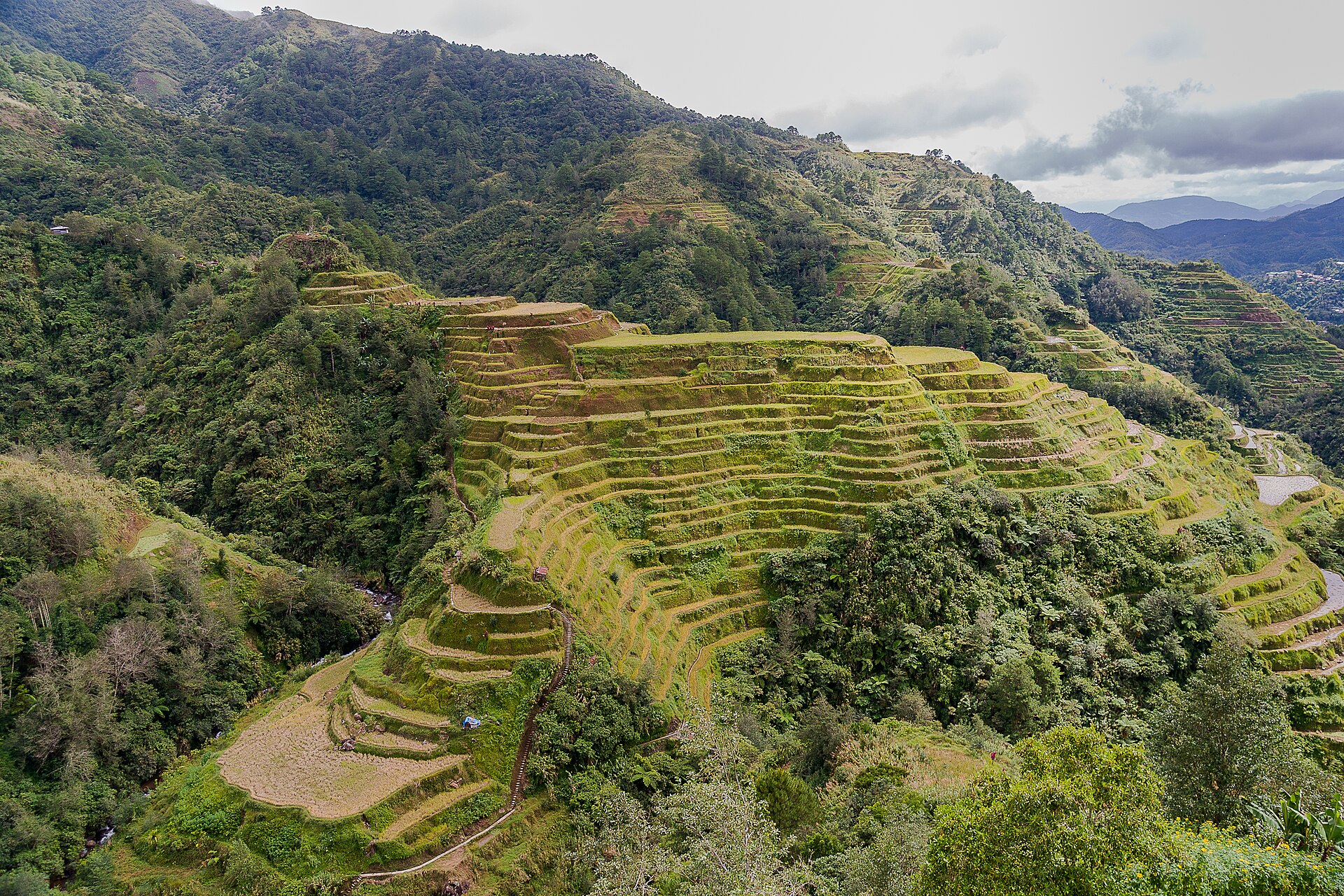
The land is restless and dramatic: it sits along the Pacific Ring of Fire, where mountains smoke and the earth occasionally trembles. Mount Apo on Mindanao rises highest at 2,954 metres, while the surrounding waters hold some of the richest marine life in the world. The climate is tropical and maritime — hot, humid, and shaped each year by the monsoon and the long season of typhoons.
“Seven thousand islands, three hundred languages, one archipelago that has learned to live with the sea.”
The People & Their Languages
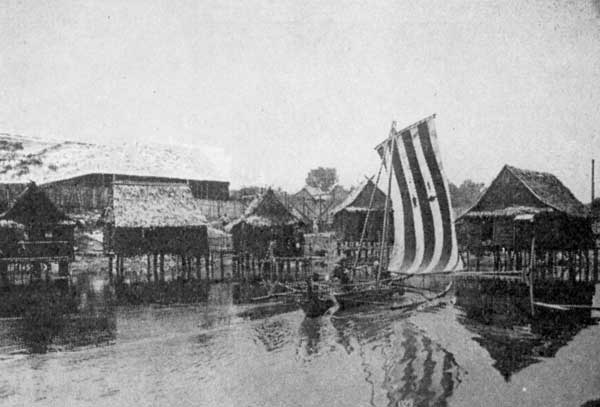
More than 115 million people call the islands home, making the Philippines one of the most populous countries in the world. They are a maritime, family-centred people whose communities have been knit together — and divided — by water for thousands of years.
Two languages are official: Filipino, built upon Tagalog, and English, a legacy of the early twentieth century and still the language of law, business, and the classroom. Beneath them flourish more than a hundred and seventy living tongues — Cebuano, Ilocano, Hiligaynon, Waray, Bikol, Kapampangan and many more — each carrying its own songs and stories.
Government
The Philippines is a unitary presidential constitutional republic. The President serves as both head of state and head of government, elected directly for a single six-year term. Laws are made by a two-chamber Congress — a Senate and a House of Representatives — and the present framework rests on the Constitution of 1987, written after the restoration of democracy. The capital is Manila, though the largest city is neighbouring Quezon City, both within the sprawling Metro Manila.
A Brief History
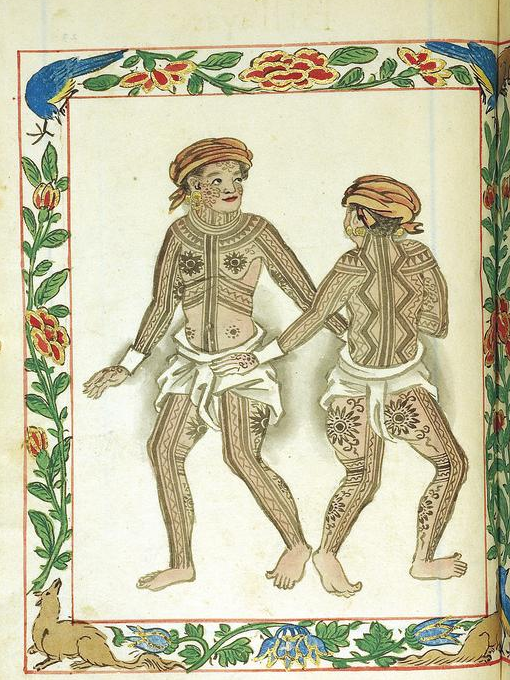
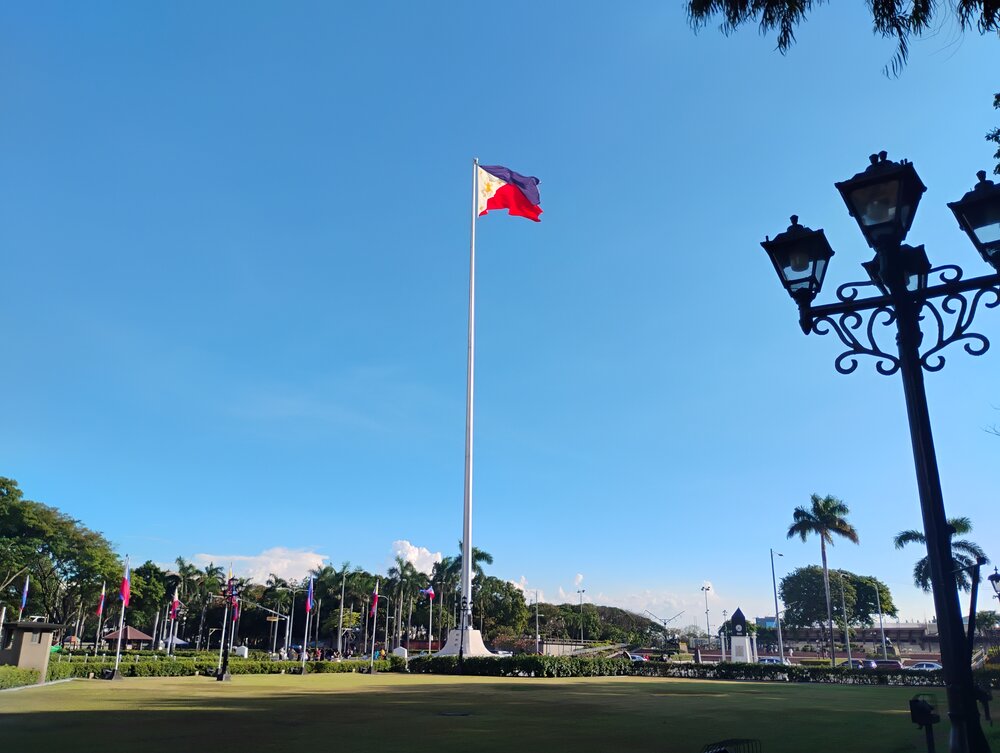
Long before written records, the islands were home to seafaring communities trading across Asia. Spain claimed the archipelago in the sixteenth century and ruled for more than three hundred years, leaving behind the Catholic faith and Hispanic names. On 12 June 1898 the Filipino people declared their independence — the date the nation still celebrates today. After a period under the United States and the hardship of the Second World War, full sovereignty was recognised on 4 July 1946, and the modern republic was born.